


- Afhalen na 1 uur in een winkel met voorraad
- Gratis thuislevering in België vanaf € 30
- Ruim aanbod met 7 miljoen producten
- Afhalen na 1 uur in een winkel met voorraad
- Gratis thuislevering in België vanaf € 30
- Ruim aanbod met 7 miljoen producten





€ 4,99
+ 4 punten
Uitvoering
Omschrijving
"With Pictures and Maps"
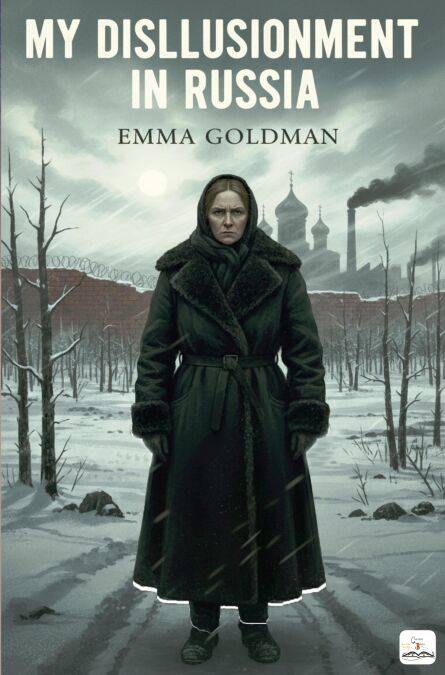
My Disillusionment in Russia is a famous book by Emma Goldman. The book was based on a much longer manuscript entitled "My Two Years in Russia" which was an eyewitness account of events in Russia from 1920 to 1921 that ensued in the wake of the Russian Revolution of 1917 and which culminated in the Kronstadt rebellion.
Long-concerned about developments with the Bolsheviks, Goldman described the rebellion as the "final wrench. I saw before me the Bolshevik State, formidable, crushing every constructive revolutionary effort, suppressing, debasing, and disintegrating everything".
Much to Goldman's dismay, only upon receiving the first printed copies of the book did she become aware that the publisher had changed the title; and the last twelve chapters were entirely missing, including an Afterword which Goldman felt was "the most vital part" of the book. Sympathetic to the initial Russian Revolution, the (complete) book is nonetheless a strong and impassioned left critique of the Bolshevik Revolution as well as Vladimir Lenin's New Economic Policy-an "all-powerful, centralized Government with State Capitalism as its economic expression".
My Disillusionment in Russia is a famous book by Emma Goldman. The book was based on a much longer manuscript entitled "My Two Years in Russia" which was an eyewitness account of events in Russia from 1920 to 1921 that ensued in the wake of the Russian Revolution of 1917 and which culminated in the Kronstadt rebellion.
Long-concerned about developments with the Bolsheviks, Goldman described the rebellion as the "final wrench. I saw before me the Bolshevik State, formidable, crushing every constructive revolutionary effort, suppressing, debasing, and disintegrating everything".
Much to Goldman's dismay, only upon receiving the first printed copies of the book did she become aware that the publisher had changed the title; and the last twelve chapters were entirely missing, including an Afterword which Goldman felt was "the most vital part" of the book. Sympathetic to the initial Russian Revolution, the (complete) book is nonetheless a strong and impassioned left critique of the Bolshevik Revolution as well as Vladimir Lenin's New Economic Policy-an "all-powerful, centralized Government with State Capitalism as its economic expression".
Specificaties
Betrokkenen
- Auteur(s):
- Uitgeverij:
Inhoud
- Aantal bladzijden:
- 201
- Taal:
- Engels
Eigenschappen
- Productcode (EAN):
- 9786253873608
- Verschijningsdatum:
- 16/02/2026
- Uitvoering:
- E-book
- Beveiligd met:
- Digital watermarking
- Formaat:
- ePub


Alleen bij Standaard Boekhandel
+ 4 punten op je klantenkaart van Standaard Boekhandel
Cadeau

AANGERADEN


Beoordelingen
We publiceren alleen reviews die voldoen aan de voorwaarden voor reviews. Bekijk onze voorwaarden voor reviews.