


- Afhalen na 1 uur in een winkel met voorraad
- Gratis thuislevering in België vanaf € 30
- Ruim aanbod met 7 miljoen producten
- Afhalen na 1 uur in een winkel met voorraad
- Gratis thuislevering in België vanaf € 30
- Ruim aanbod met 7 miljoen producten





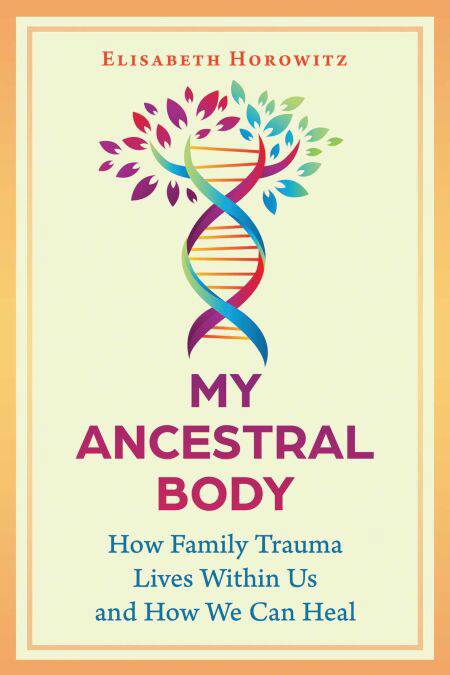
My Ancestral Body E-BOOK
How Family Trauma Lives Within Us and How We Can Heal
Elisabeth Horowitz
E-book | Engels
€ 16,76
+ 16 punten
Uitvoering
Omschrijving
• Demonstrates how insomnia, anxiety, depression, digestive issues, and heart problems can be traced to trauma inherited from an ancestor
• Explains how pivotal dates that are significant to ancestors are repeated in the lives of their descendants
• Shares case studies from over 25 years of research that show successful healing after identifying the sources of ancestral trauma
Our genetic inheritance from our ancestors goes far beyond eye color or the shape of a smile—it includes unhealed trauma that can echo through generations, shaping our health, emotions, and biology.
Elisabeth Horowitz reveals how unresolved trauma is passed down through generations, just as facial features, intelligence, and artistic abilities are, and how, by identifying these traumas, we can heal them. She explains how intergenerational trauma can affect our physical and emotional well-being, and show up as family patterns of illness, and can even alter our DNA. She demonstrates how ailments like insomnia, anxiety, depression, digestive issues, and heart problems can be traced to a specific ancestor or ancestors. For example, descendants of refugees who were forced to move can have this expressed in health conditions that affect their legs and make walking difficult, if not impossible.
The author explains how to investigate your family tree and discover the pivotal dates and events from ancestors, as well as parents and grandparents. These dates can often reveal toxic family secrets that are echoed in the lives of descendants. Drawing on case studies from over 25 years of research, the author introduces the concept of the biological clock of the family tree and demonstrates how inherited traumatic symptoms can appear on significant dates, such as family birthdays or anniversaries, or at specific ages that mirror traumas experienced by members of an earlier generation.
By understanding how ancestral trauma reveals itself in your life and the lives of your loved ones, you will learn how to release these inherited influences and remove potential health hazards from your family tree.
• Explains how pivotal dates that are significant to ancestors are repeated in the lives of their descendants
• Shares case studies from over 25 years of research that show successful healing after identifying the sources of ancestral trauma
Our genetic inheritance from our ancestors goes far beyond eye color or the shape of a smile—it includes unhealed trauma that can echo through generations, shaping our health, emotions, and biology.
Elisabeth Horowitz reveals how unresolved trauma is passed down through generations, just as facial features, intelligence, and artistic abilities are, and how, by identifying these traumas, we can heal them. She explains how intergenerational trauma can affect our physical and emotional well-being, and show up as family patterns of illness, and can even alter our DNA. She demonstrates how ailments like insomnia, anxiety, depression, digestive issues, and heart problems can be traced to a specific ancestor or ancestors. For example, descendants of refugees who were forced to move can have this expressed in health conditions that affect their legs and make walking difficult, if not impossible.
The author explains how to investigate your family tree and discover the pivotal dates and events from ancestors, as well as parents and grandparents. These dates can often reveal toxic family secrets that are echoed in the lives of descendants. Drawing on case studies from over 25 years of research, the author introduces the concept of the biological clock of the family tree and demonstrates how inherited traumatic symptoms can appear on significant dates, such as family birthdays or anniversaries, or at specific ages that mirror traumas experienced by members of an earlier generation.
By understanding how ancestral trauma reveals itself in your life and the lives of your loved ones, you will learn how to release these inherited influences and remove potential health hazards from your family tree.
Specificaties
Betrokkenen
- Auteur(s):
- Uitgeverij:
Inhoud
- Aantal bladzijden:
- 240
- Taal:
- Engels
Eigenschappen
- Productcode (EAN):
- 9798888505090
- Verschijningsdatum:
- 1/02/2027
- Uitvoering:
- E-book
- Beveiligd met:
- Adobe DRM
- Formaat:
- ePub


Alleen bij Standaard Boekhandel
+ 16 punten op je klantenkaart van Standaard Boekhandel
Cadeau

AANGERADEN


Beoordelingen
We publiceren alleen reviews die voldoen aan de voorwaarden voor reviews. Bekijk onze voorwaarden voor reviews.