


- Afhalen na 1 uur in een winkel met voorraad
- Gratis thuislevering in België vanaf € 30
- Ruim aanbod met 7 miljoen producten
- Afhalen na 1 uur in een winkel met voorraad
- Gratis thuislevering in België vanaf € 30
- Ruim aanbod met 7 miljoen producten




Omschrijving
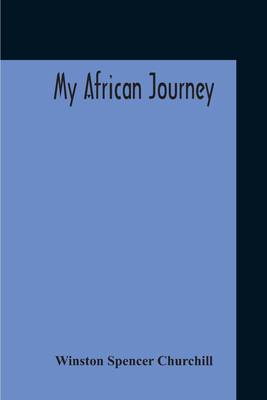
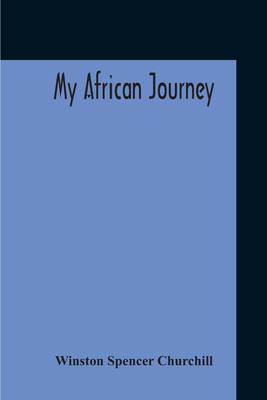
Sharp, candid and insistently curious, My African Journey records a British statesman's engagement with a continent that defined imperial debate. A vivid portrait of empire. Winston Spencer Churchill writes as both traveller and analyst, blending on-the-ground observation with questions of policy and power. The result is part british travel memoir, part african exploration narrative: prose that moves from the sweep of landscape to the prick of political detail without ever losing its storyteller's charge. Readers encounter scenes of safari and adventure alongside contemplative notes on administration, identity and influence, a voice at once enthusiastic, sceptical and exacting. For armchair travel readers the book offers immediate transport; for those assembling a devoted collection for history enthusiasts it furnishes insight into early 20th century nonfiction attitudes, colonial Africa history, and the texture of british empire travel. Fans of winston churchill books and collectors of classic travel literature will find this edition both readable and significant: it illuminates a moment when personal travel and public life were inseparable, and when political journeys in Africa became public stories. Stylistically the book is direct where it needs to be and discursive where curiosity leads, offering rhetorical vigour alongside moments of precise observation. Its language ranges from brisk reportage to reflective meditation, so readers interested in the mechanics of earlier travel writing will find much to study. Historically the volume matters as a record of attitude as much as event: it helps explain how ideas about governance and empire circulated in the edwardian era and why british empire travel carried weight at home. Casual readers will relish the movement and immediacy; collectors and scholars will appreciate the book's value to any thoughtfully curated library. Republished by Alpha Editions in a careful modern edition, this volume preserves the spirit of the original while making it effortless to enjoy today - a heritage title prepared for readers and collectors alike.
Specificaties
Betrokkenen
- Auteur(s):
- Uitgeverij:
Inhoud
- Aantal bladzijden:
- 340
- Taal:
- Engels
Eigenschappen
- Productcode (EAN):
- 9789354211089
- Verschijningsdatum:
- 2/11/2020
- Uitvoering:
- Paperback
- Formaat:
- Trade paperback (VS)
- Afmetingen:
- 152 mm x 229 mm
- Gewicht:
- 498 g


Alleen bij Standaard Boekhandel
+ 84 punten op je klantenkaart van Standaard Boekhandel
Cadeau

AANGERADEN


Beoordelingen
We publiceren alleen reviews die voldoen aan de voorwaarden voor reviews. Bekijk onze voorwaarden voor reviews.