



Bedankt voor het vertrouwen het afgelopen jaar! Om jou te bedanken bieden we GRATIS verzending (in België) aan op alles gedurende de hele maand januari.
- Afhalen na 1 uur in een winkel met voorraad
- In januari gratis thuislevering in België
- Ruim aanbod met 7 miljoen producten
Bedankt voor het vertrouwen het afgelopen jaar! Om jou te bedanken bieden we GRATIS verzending (in België) aan op alles gedurende de hele maand januari.
- Afhalen na 1 uur in een winkel met voorraad
- In januari gratis thuislevering in België
- Ruim aanbod met 7 miljoen producten





€ 290,45
+ 580 punten
Omschrijving
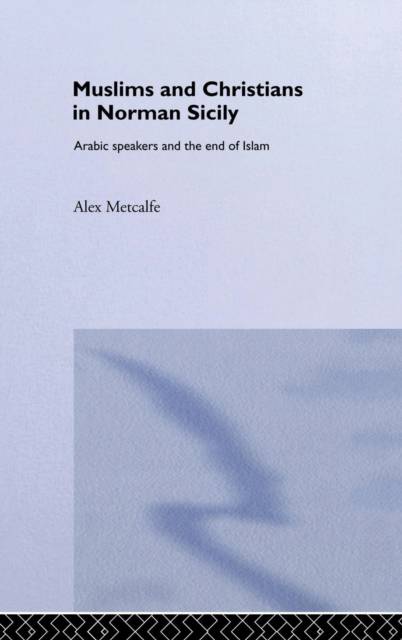
The social and linguistic history of medieval Sicily is both intriguing and complex. Before the Muslim invasion of 827, the islanders spoke dialects of either Greek or Latin or both. On the arrival of the Normans around 1060 Arabic was the dominant language, but by 1250 Sicily was an almost exclusively Christian island, with Romance dialects in evidence everywhere. Of particular importance to the development of Sicily was the formative period of Norman rule (1061 1194), when most of the key transitions from an Arabic-speaking Muslim island to a 'Latin'-speaking Christian one were made. This work sets out the evidence for those changes and provides an authoritative approach that re-defines the conventional thinking on the subject.
Specificaties
Betrokkenen
- Auteur(s):
- Uitgeverij:
Inhoud
- Aantal bladzijden:
- 308
- Taal:
- Engels
- Reeks:
Eigenschappen
- Productcode (EAN):
- 9780700716852
- Verschijningsdatum:
- 28/11/2002
- Uitvoering:
- Hardcover
- Formaat:
- Genaaid
- Afmetingen:
- 157 mm x 246 mm
- Gewicht:
- 576 g



Alleen bij Standaard Boekhandel
+ 580 punten op je klantenkaart van Standaard Boekhandel
SOLDEN


Beoordelingen
We publiceren alleen reviews die voldoen aan de voorwaarden voor reviews. Bekijk onze voorwaarden voor reviews.