


- Afhalen na 1 uur in een winkel met voorraad
- Gratis thuislevering in België vanaf € 30
- Ruim aanbod met 7 miljoen producten
- Afhalen na 1 uur in een winkel met voorraad
- Gratis thuislevering in België vanaf € 30
- Ruim aanbod met 7 miljoen producten





€ 84,80
+ 169 punten
Omschrijving
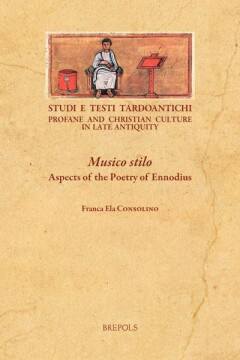
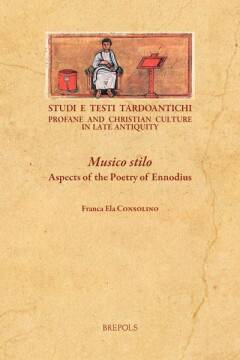
Since the end of the last century, Ennodius has been the object of increasing interest among scholars of late antiquity. Developments in Ennodian criticism are also addressed in this volume, that presents the results of more than twenty years of research on the relationship - always dialectical and not infrequently innovative - that Ennodius maintains as a poet with the Latin literary tradition, both profane and Christian. The chapters of the book revisit - in English and in one case with substantial modifications - eight of the author's previously published papers on Ennodius, along with one unpublished contribution. Areas that have been specifically investigated include the functions that he assigns to poetry compared to those he assigns to prose, his original re-treatment of some literary genres, and his thematic, stylistic, lexical and metric choices. The last chapter explores the literary influence exerted by Ennodius' poetry on the text of his epitaph. The very fact that its unknown author - certainly a great admirer of the deceased - did his best to imitate his style is a significant testimony to the prestige that Ennodius enjoyed after his death in the diocese of Pavia of which he had been the bishop
Specificaties
Betrokkenen
- Auteur(s):
- Uitgeverij:
Inhoud
- Aantal bladzijden:
- 309
- Taal:
- Frans
- Reeks:
- Reeksnummer:
- nr. 24
Eigenschappen
- Productcode (EAN):
- 9782503611129
- Verschijningsdatum:
- 4/03/2025
- Uitvoering:
- Paperback
- Formaat:
- Trade paperback (VS)
- Gewicht:
- 1147 g


Alleen bij Standaard Boekhandel
+ 169 punten op je klantenkaart van Standaard Boekhandel
CADEAU

AANGERADEN


Beoordelingen
We publiceren alleen reviews die voldoen aan de voorwaarden voor reviews. Bekijk onze voorwaarden voor reviews.