


- Afhalen na 1 uur in een winkel met voorraad
- Gratis thuislevering in België vanaf € 30
- Ruim aanbod met 7 miljoen producten
- Afhalen na 1 uur in een winkel met voorraad
- Gratis thuislevering in België vanaf € 30
- Ruim aanbod met 7 miljoen producten





€ 178,95
+ 357 punten
Uitvoering
Omschrijving
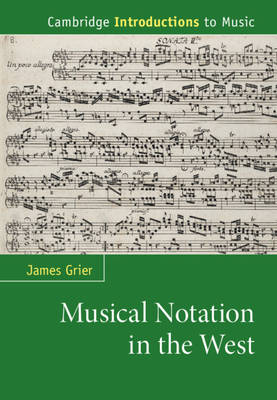
Musical notation is a powerful system of communication between musicians, using sophisticated symbolic, primarily non-verbal means to express musical events in visual symbols. Many musicians take the system for granted, having internalized it and their strategies for reading it and translating it into sound over long years of study and practice. This book traces the development of that system by combining chronological and thematic approaches to show the historical and musical context in which these developments took place. Simultaneously, the book considers the way in which this symbolic language communicates to those literate in it, discussing how its features facilitate or hinder fluent comprehension in the real-time environment of performance. Moreover, the topic of musical as opposed to notational innovation forms another thread of the treatment, as the author investigates instances where musical developments stimulated notational attributes, or notational innovations made practicable advances in musical style.
Specificaties
Betrokkenen
- Auteur(s):
- Uitgeverij:
Inhoud
- Aantal bladzijden:
- 284
- Taal:
- Engels
- Reeks:
Eigenschappen
- Productcode (EAN):
- 9780521898164
- Verschijningsdatum:
- 18/02/2021
- Uitvoering:
- Hardcover
- Formaat:
- Genaaid
- Afmetingen:
- 196 mm x 249 mm
- Gewicht:
- 680 g


Alleen bij Standaard Boekhandel
+ 357 punten op je klantenkaart van Standaard Boekhandel
Cadeau

AANGERADEN


Beoordelingen
We publiceren alleen reviews die voldoen aan de voorwaarden voor reviews. Bekijk onze voorwaarden voor reviews.