


- Afhalen na 1 uur in een winkel met voorraad
- Gratis thuislevering in België vanaf € 30
- Ruim aanbod met 7 miljoen producten
- Afhalen na 1 uur in een winkel met voorraad
- Gratis thuislevering in België vanaf € 30
- Ruim aanbod met 7 miljoen producten





€ 172,95
+ 345 punten
Omschrijving
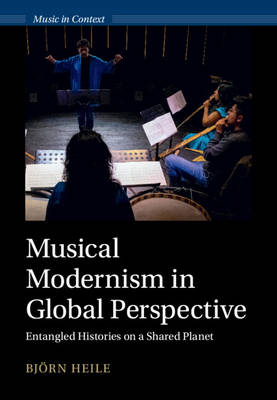
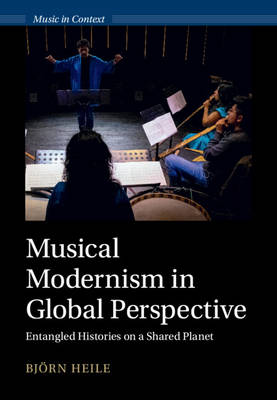
In the first study of the global dimensions of musical modernism, Björn Heile proposes a novel theory according to which musical modernism is constituted by a global diasporic network of composers, musicians and institutions. In a series of historical and analytical case studies from different parts of the world, this book overcomes the respective limitations of both Eurocentric and postcolonial, revisionist accounts, focusing instead on the transnational entanglements between the West and other world regions. Key topics include migration, the transnational reception and transfer of musical works and ideas, institutions such as the International Society for Contemporary Music (ISCM) and composers who are rarely discussed in Western academia, such as the Nigerian-born Akin Euba and the Korean-German Younghi Pagh-Paan. Influenced by the interdisciplinary notion of 'entangled histories', Heile critiques established dichotomies, all the while highlighting the unequal power relations on which the existing global order is founded.
Specificaties
Betrokkenen
- Auteur(s):
- Uitgeverij:
Inhoud
- Aantal bladzijden:
- 286
- Taal:
- Engels
- Reeks:
Eigenschappen
- Productcode (EAN):
- 9781009491709
- Verschijningsdatum:
- 30/05/2024
- Uitvoering:
- Hardcover
- Formaat:
- Genaaid
- Afmetingen:
- 170 mm x 244 mm
- Gewicht:
- 653 g


Alleen bij Standaard Boekhandel
+ 345 punten op je klantenkaart van Standaard Boekhandel
Cadeau

AANGERADEN


Beoordelingen
We publiceren alleen reviews die voldoen aan de voorwaarden voor reviews. Bekijk onze voorwaarden voor reviews.