


- Afhalen na 1 uur in een winkel met voorraad
- Gratis thuislevering in België vanaf € 30
- Ruim aanbod met 7 miljoen producten
- Afhalen na 1 uur in een winkel met voorraad
- Gratis thuislevering in België vanaf € 30
- Ruim aanbod met 7 miljoen producten





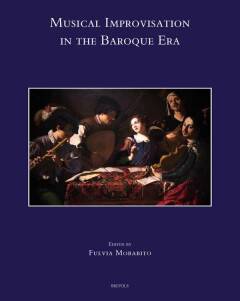
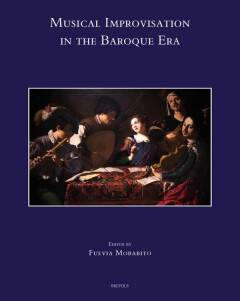
Musical Improvisation in the Baroque Era
Fulvia Morabito
€ 127,20
+ 254 punten
Omschrijving
In the Baroque period there is a large discrepancy between sound entity and musical notation. In a context where the musical tradition, handwritten and printed, at times suggests the possible execution of a passage, at times indicates a specific mode of execution often adapted by the ability of the performer or the musical occasion, the margin for improvisation is wide. The in-depth and possibly comparative study of musical sources, their historical contextualization, their evaluation on the basis of documentary and theoretical testimonies, allows us to shed light on the real aural rendering of the synthetic written page. This volume aims to investigate the role and forms of improvisation in Baroque music under many of its multifaceted aspects, in a study that will define the links between creative process and executive practice.
Specificaties
Betrokkenen
- Auteur(s):
- Uitgeverij:
Inhoud
- Aantal bladzijden:
- 405
- Taal:
- Engels
- Reeks:
- Reeksnummer:
- nr. 33
Eigenschappen
- Productcode (EAN):
- 9782503583693
- Verschijningsdatum:
- 14/03/2019
- Uitvoering:
- Hardcover
- Formaat:
- Genaaid
- Afmetingen:
- 224 mm x 282 mm
- Gewicht:
- 1270 g


Alleen bij Standaard Boekhandel
+ 254 punten op je klantenkaart van Standaard Boekhandel
Cadeau

AANGERADEN


Beoordelingen
We publiceren alleen reviews die voldoen aan de voorwaarden voor reviews. Bekijk onze voorwaarden voor reviews.