


- Afhalen na 1 uur in een winkel met voorraad
- Gratis thuislevering in België vanaf € 30
- Ruim aanbod met 7 miljoen producten
- Afhalen na 1 uur in een winkel met voorraad
- Gratis thuislevering in België vanaf € 30
- Ruim aanbod met 7 miljoen producten





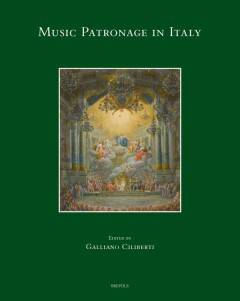
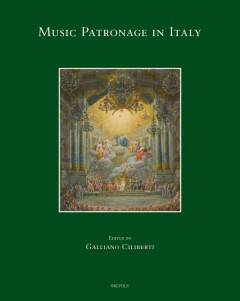
Music Patronage in Italy
Galliano Ciliberti
€ 132,50
+ 265 punten
Omschrijving
During the Renaissance and throughout the Baroque and Classical periods, musical production was linked to patronage. There are essentially two types of patronage. The first relates to political institutions, to public life, and aims to promote musical events that highlight the wealth and power of the patron in the eyes of rival courts and subjects - hence the birth of the court chapels. The second type belongs to the private sphere, in which the patron, of noble birth and as such in possession of high moral and intellectual virtues, has a discriminating artistic sensibility - hence the promotion of chamber music activities, the collecting of rare and valuable musical instruments, and the compilation and collection of musical manuscripts, possibly in deluxe or personalized copies. This musical production system lasted until the middle of the nineteenth century, when the advent of capitalism and the rise of the bourgeois class caused the decline of patronage. This book focuses on the various aspects of music patronage in Italy from the fifteenth to the eighteenth century.
Specificaties
Betrokkenen
- Auteur(s):
- Uitgeverij:
Inhoud
- Aantal bladzijden:
- 491
- Taal:
- Engels
- Reeks:
- Reeksnummer:
- nr. 15
Eigenschappen
- Productcode (EAN):
- 9782503595443
- Verschijningsdatum:
- 23/09/2021
- Uitvoering:
- Hardcover
- Formaat:
- Genaaid
- Gewicht:
- 14006 g


Alleen bij Standaard Boekhandel
+ 265 punten op je klantenkaart van Standaard Boekhandel
Cadeau

AANGERADEN


Beoordelingen
We publiceren alleen reviews die voldoen aan de voorwaarden voor reviews. Bekijk onze voorwaarden voor reviews.