


- Afhalen na 1 uur in een winkel met voorraad
- Gratis thuislevering in België vanaf € 30
- Ruim aanbod met 7 miljoen producten
- Afhalen na 1 uur in een winkel met voorraad
- Gratis thuislevering in België vanaf € 30
- Ruim aanbod met 7 miljoen producten





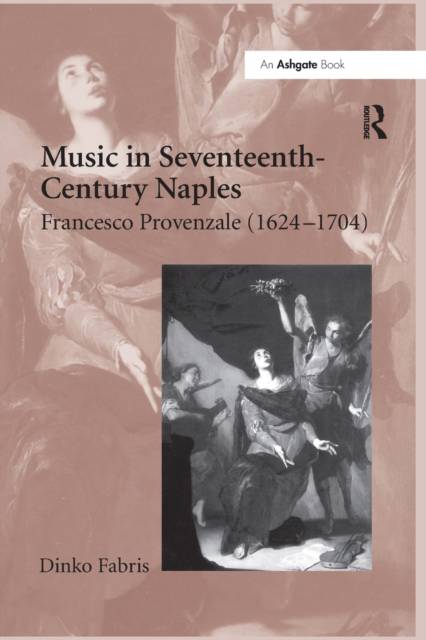
Music in Seventeenth-Century Naples
Francesco Provenzale (1624-1704)
Dinko Fabris
Paperback | Engels
€ 122,45
+ 244 punten
Uitvoering
Omschrijving
The most important figure of seventeenth-century Neapolitan music, Francesco Provenzale (1624-1704) spent his long life in the service of a number of Neapolitan conservatories and churches, culminating in his appointment as maestro of the Tesoro di S. Gennaro and the Real Cappella. Provenzale was successful in generating significant profit from a range of musical activities promoted by him with the participation of his pupils and trusted collaborators. Dinko Fabris draws on newly discovered archival documents to reconstruct the career of a musician who became the leader of his musical world, despite his relatively small musical output. The book examines Provenzale's surviving works alongside those of his most important Neapolitan contemporaries (Raimo Di Bartolo, Sabino, Salvatore and Caresana) and pupils (Fago, Greco, Veneziano and many others), revealing both stylistic similarities and differences, particularly in terms of new harmonic practices and the use of Neapolitan language in opera. Fabris provides both a life and works study of Provenzale and a conspectus of Neapolitan musical life of the seventeenth century which so clearly laid the groundwork for Naples' later status as one of the great musical capitals of Europe.
Specificaties
Betrokkenen
- Auteur(s):
- Uitgeverij:
Inhoud
- Aantal bladzijden:
- 336
- Taal:
- Engels
Eigenschappen
- Productcode (EAN):
- 9781138258754
- Verschijningsdatum:
- 7/12/2016
- Uitvoering:
- Paperback
- Formaat:
- Trade paperback (VS)
- Afmetingen:
- 155 mm x 231 mm
- Gewicht:
- 453 g



Alleen bij Standaard Boekhandel
+ 244 punten op je klantenkaart van Standaard Boekhandel
Cadeau

AANGERADEN


Beoordelingen
We publiceren alleen reviews die voldoen aan de voorwaarden voor reviews. Bekijk onze voorwaarden voor reviews.