


- Afhalen na 1 uur in een winkel met voorraad
- Gratis thuislevering in België vanaf € 30
- Ruim aanbod met 7 miljoen producten
- Afhalen na 1 uur in een winkel met voorraad
- Gratis thuislevering in België vanaf € 30
- Ruim aanbod met 7 miljoen producten





Omschrijving
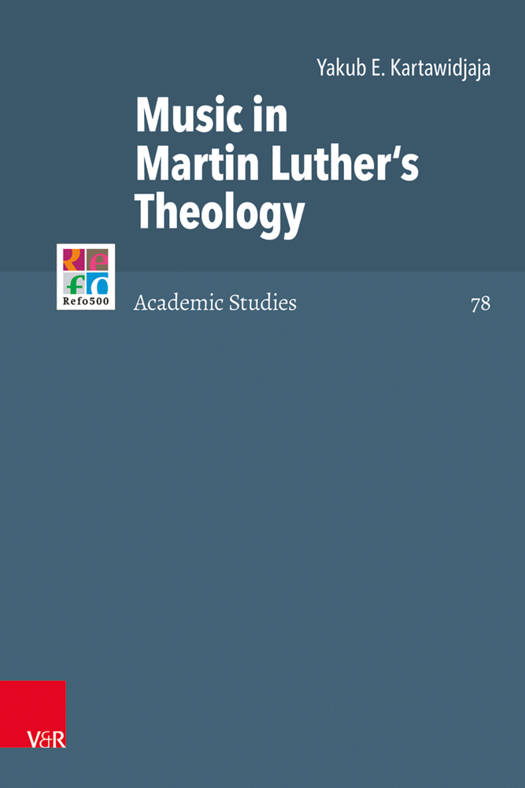
The study aims to analyse the impact of Luther's theology on his thoughts about music. It limits itself to an analysis of the topic by focusing on the three most important statements of Luther about music in his unfinished treatise ?e t s [On Music]. The first statement is that music is "a gift of God and not of man" [Dei donum hominum est], second, music "creates joyful soul" [facit letos animos], and third, music "drives away the devil" [fugat diabolum]. The relation between these three statements to each other and to Luther's theology in general can be understood in connection with his personal experiences and commitments to music, which were undergirded by his theology. Luther, as a man of medieval times, took for granted the existence of the devil, and many of his writings contained frequent references to the personal attacks of the devil, where it influenced his thoughts about music.
Specificaties
Betrokkenen
- Auteur(s):
- Uitgeverij:
Inhoud
- Aantal bladzijden:
- 216
- Taal:
- Engels
- Reeks:
- Reeksnummer:
- nr. 78
Eigenschappen
- Productcode (EAN):
- 9783525565537
- Verschijningsdatum:
- 12/04/2021
- Uitvoering:
- Hardcover
- Formaat:
- Genaaid
- Afmetingen:
- 157 mm x 231 mm
- Gewicht:
- 498 g


Alleen bij Standaard Boekhandel
+ 167 punten op je klantenkaart van Standaard Boekhandel
CADEAU

AANGERADEN


Beoordelingen
We publiceren alleen reviews die voldoen aan de voorwaarden voor reviews. Bekijk onze voorwaarden voor reviews.