


- Afhalen na 1 uur in een winkel met voorraad
- Gratis thuislevering in België vanaf € 30
- Ruim aanbod met 7 miljoen producten
- Afhalen na 1 uur in een winkel met voorraad
- Gratis thuislevering in België vanaf € 30
- Ruim aanbod met 7 miljoen producten





€ 137,80
+ 275 punten
Omschrijving
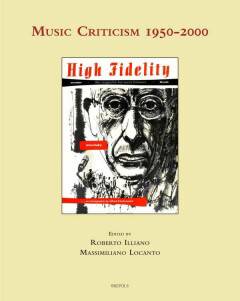
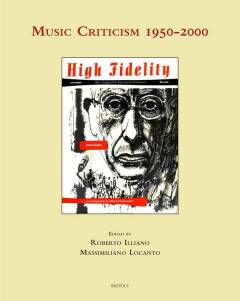
This book addresses the complex world of music criticism during the second half of the twentieth century, with particular emphasis on the relationship between music criticism and pivotal changes in politics, society, technology, and economics. The focus on music criticism should be understood in a very broad sense, as one of the various forms of communication and expression that contributes both to the formulation of judgments, and to a broader discourse on the constructions of music. In addition, the book deepens the topic of music criticism by addressing some defining aspects of the period, such as the development of music for the cinema, the growth of the music industry, and the new media that characterized the turn of the century. The articles are divided into five sections: 'Music Criticism and its Roles', 'Music Criticism and Italian Film Music', 'Music Criticism and Ideology', 'Music Criticism and the Web', and 'Case Studies' (Amiri Baraka, Astor Piazzolla, Louis Andriessen, Dieter Roth, John Cage, and Stravinsky).
Specificaties
Betrokkenen
- Auteur(s):
- Uitgeverij:
Inhoud
- Aantal bladzijden:
- 420
- Taal:
- Engels
- Reeks:
- Reeksnummer:
- nr. 8
Eigenschappen
- Productcode (EAN):
- 9782503584423
- Verschijningsdatum:
- 9/05/2019
- Uitvoering:
- Hardcover
- Formaat:
- Genaaid
- Afmetingen:
- 211 mm x 267 mm
- Gewicht:
- 1270 g


Alleen bij Standaard Boekhandel
+ 275 punten op je klantenkaart van Standaard Boekhandel
Cadeau

AANGERADEN


Beoordelingen
We publiceren alleen reviews die voldoen aan de voorwaarden voor reviews. Bekijk onze voorwaarden voor reviews.