


- Afhalen na 1 uur in een winkel met voorraad
- Gratis thuislevering in België vanaf € 30
- Ruim aanbod met 7 miljoen producten
- Afhalen na 1 uur in een winkel met voorraad
- Gratis thuislevering in België vanaf € 30
- Ruim aanbod met 7 miljoen producten





€ 141,95
+ 283 punten
Omschrijving
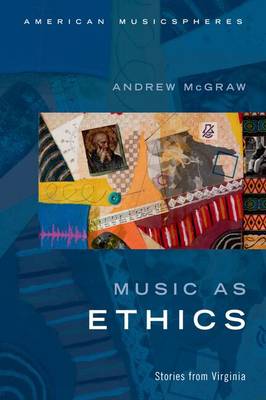
Music as Ethics offers a comparative ethnography of the relationship of music to ethics in four communities in Virginia, covering a wide range of demographic contexts and musical repertoires. Holy Cross Monastery in Berryville is a small community of fifteen Trappist monks who follow the rule of St. Benedict, composed in the early sixth century. Twin Oaks in Louisa is a ninety-member intentional community, founded in 1967, dedicated to egalitarianism. The "Sanctuary" in the Richmond city jail is a community of approximately forty residents drawn from two of the facility's dorms. Richmond is the state capital, with a fraught history of racial inequality. To say that we can experience music "as" ethics means that we can hold several, culturally informed attitudes about music's ethical meanings and functions. While music's relationship to ethical life differs between each community, the case studies suggest that we can all grow as ethical individuals and communities if we pay close attention to music's ethical potential. But as long as our experience of music as ethics remains implicit and vague, we miss an opportunity to fully realize its ethical affordances. More than that, we also expose ourselves to manipulation by those who would wield music (and other "affective" means) for their own social agenda.
Specificaties
Betrokkenen
- Auteur(s):
- Uitgeverij:
Inhoud
- Aantal bladzijden:
- 224
- Taal:
- Engels
- Reeks:
Eigenschappen
- Productcode (EAN):
- 9780197654880
- Verschijningsdatum:
- 30/05/2023
- Uitvoering:
- Hardcover
- Formaat:
- Genaaid
- Afmetingen:
- 162 mm x 237 mm
- Gewicht:
- 449 g


Alleen bij Standaard Boekhandel
+ 283 punten op je klantenkaart van Standaard Boekhandel
Cadeau

AANGERADEN


Beoordelingen
We publiceren alleen reviews die voldoen aan de voorwaarden voor reviews. Bekijk onze voorwaarden voor reviews.