


- Afhalen na 1 uur in een winkel met voorraad
- Gratis thuislevering in België vanaf € 30
- Ruim aanbod met 7 miljoen producten
- Afhalen na 1 uur in een winkel met voorraad
- Gratis thuislevering in België vanaf € 30
- Ruim aanbod met 7 miljoen producten





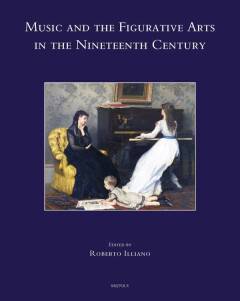
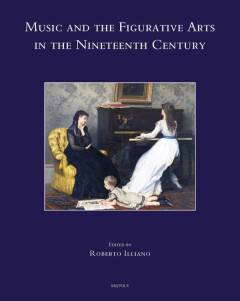
Music and the Figurative Arts in the Nineteenth Century
Roberto Illiano
€ 127,20
+ 254 punten
Omschrijving
In 1795 Friedrich Schiller wrote: "Die bildende Kunst in ihrer hochsten Vollendung muss Musik werden und uns durch unmittelbare sinnliche Gegenwart ruhren" (Schiller, Uber die asthetische Erziehung des Menschen, Letter XXII, 1795). This sentence underlines the fundamental aesthetic change that coincided at the onset of the nineteenth century. According to "ut musica pictura", music becomes the model for an art able to express and communicate feelings. Even as music no longer necessarily has to embody order, so does painting move away from pure imitation to encompass emotional affect. Music and painting thus converge in embodying a sensual conception of the arts: music is capable of expressing emotions and arousing them in the audience; painting can do the same through visual perception. The present volume, which brings together 21 essays, focuses on encounters between composers and painters, but also on the relationship between music, literature and the figurative arts, as well as on the concurrence of musical and artistic aesthetics. Sections of the book are devoted to iconography, to the relationship with the theatrical arts (in particular the scenic aspect) and in one instance, to Franz Liszt.
Specificaties
Betrokkenen
- Auteur(s):
- Uitgeverij:
Inhoud
- Aantal bladzijden:
- 527
- Taal:
- Engels
- Reeks:
- Reeksnummer:
- nr. 39
Eigenschappen
- Productcode (EAN):
- 9782503589510
- Verschijningsdatum:
- 19/11/2020
- Uitvoering:
- Hardcover
- Formaat:
- Genaaid
- Afmetingen:
- 216 mm x 267 mm
- Gewicht:
- 1655 g


Alleen bij Standaard Boekhandel
+ 254 punten op je klantenkaart van Standaard Boekhandel
Cadeau

AANGERADEN


Beoordelingen
We publiceren alleen reviews die voldoen aan de voorwaarden voor reviews. Bekijk onze voorwaarden voor reviews.