


- Afhalen na 1 uur in een winkel met voorraad
- Gratis thuislevering in België vanaf € 30
- Ruim aanbod met 7 miljoen producten
- Afhalen na 1 uur in een winkel met voorraad
- Gratis thuislevering in België vanaf € 30
- Ruim aanbod met 7 miljoen producten





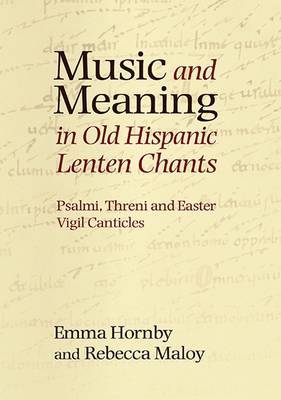
Music and Meaning in Old Hispanic Lenten Chants
Psalmi, Threni and the Easter Vigil Canticles
Emma Hornby, Rebecca Maloy
€ 257,95
+ 515 punten
Omschrijving
Medieval Iberian liturgical practice was independent of the Roman liturgy. As such, its sources preserve an unfamiliar and fascinating devotional journey through the liturgical year. However, although Old Hispanic liturgical chant has long been considered one of the most important medieval chant traditions, what musical notation to survive shows only where the melodies rise and fall, not precise intervals or pitches. This lack of pitch-readable notation has prevented scholars from fully engaging with the surviving sources - a gap which this book aims to fill, via a new methodology for analysing the melodies and the relationship between melody and text. Focussing on three genres of chant sung during the Old Hispanic Lent (the threni, psalmi, and Easter Vigil canticles), the book takes a holistic view of the texts and melodies, setting them in the context of their liturgical and intellectual surroundings, and, for the Easter Vigil, exploring the relationship between different Old Hispanic traditions and other western liturgies. It concludes that the theologically purposeful text selections combine with carefully shaped melodies to guide the devotional practice of their hearers.
Specificaties
Betrokkenen
- Auteur(s):
- Uitgeverij:
Inhoud
- Aantal bladzijden:
- 384
- Taal:
- Engels
- Reeks:
- Reeksnummer:
- nr. 13
Eigenschappen
- Productcode (EAN):
- 9781843838142
- Verschijningsdatum:
- 17/10/2013
- Uitvoering:
- Hardcover
- Formaat:
- Genaaid
- Afmetingen:
- 156 mm x 234 mm
- Gewicht:
- 716 g


Alleen bij Standaard Boekhandel
+ 515 punten op je klantenkaart van Standaard Boekhandel
CADEAU

AANGERADEN


Beoordelingen
We publiceren alleen reviews die voldoen aan de voorwaarden voor reviews. Bekijk onze voorwaarden voor reviews.