


- Afhalen na 1 uur in een winkel met voorraad
- Gratis thuislevering in België vanaf € 30
- Ruim aanbod met 7 miljoen producten
- Afhalen na 1 uur in een winkel met voorraad
- Gratis thuislevering in België vanaf € 30
- Ruim aanbod met 7 miljoen producten





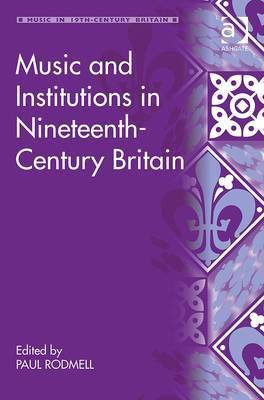
Music and Institutions in Nineteenth-Century Britain
€ 343,45
+ 686 punten
Omschrijving
In nineteenth-century British society music and musicians were organized as they had never been before. This organization was manifested, in part, by the introduction of music into powerful institutions, both out of belief in music's inherently beneficial properties, and also to promote music occupations and professions in society at large. This book provides a representative and varied sample of the interactions between music and organizations in various locations in the nineteenth-century British Empire, exploring not only how and why music was institutionalized, but also how and why institutions became 'musicalized'.
Specificaties
Betrokkenen
- Uitgeverij:
Inhoud
- Aantal bladzijden:
- 308
- Taal:
- Engels
- Reeks:
Eigenschappen
- Productcode (EAN):
- 9781409405832
- Verschijningsdatum:
- 28/10/2012
- Uitvoering:
- Hardcover
- Formaat:
- Genaaid
- Afmetingen:
- 156 mm x 234 mm
- Gewicht:
- 612 g

Alleen bij Standaard Boekhandel
+ 686 punten op je klantenkaart van Standaard Boekhandel
Cadeau

AANGERADEN


Beoordelingen
We publiceren alleen reviews die voldoen aan de voorwaarden voor reviews. Bekijk onze voorwaarden voor reviews.