


- Afhalen na 1 uur in een winkel met voorraad
- Gratis thuislevering in België vanaf € 30
- Ruim aanbod met 7 miljoen producten
- Afhalen na 1 uur in een winkel met voorraad
- Gratis thuislevering in België vanaf € 30
- Ruim aanbod met 7 miljoen producten





€ 137,80
+ 275 punten
Omschrijving
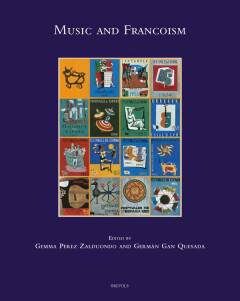
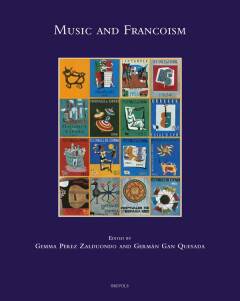
This book brings together 22 essays by musicologists of different nationalities and offers studies conducted within todays most active research lines within the field of musicology. The contributions refer to the analysis of networks of relationships that musical activities and phenomena had developed with the Franco regime (1938-1975). These offer approaches to specific genres (chamber music, instrumental and theatrical music, flamenco, jazz, copla, light music, and cinematic music) and to diverse repertories and creative musical languages (nationalist, Neoclassical, and avant-garde) without neglecting the study of the creation, musical discourse, and its producers (composers, performers, and critics) within the domain of public and private institutional frameworks. Also, they investigate the musical policies that formed part of the regime and involved repertories, creators, and performers. In this regard, the chapters that study music in the context of international relations up to the end of the Second World War stand out, as do those that investigate the impact that historical events such as the Spanish Civil War. Others specifically examine musical influences exerted beyond the Spanish borders on foreign composers and their contexts as well as on Spanish composers in exile. This volume presents a critical synthesis of the historiographic reflection that to date has dealt with the relations of music with the Franco regime, together with an analysis of the theoretic-artistic and identity-defining speeches in force during early Francoism, with an evaluation of their precedents.
Specificaties
Betrokkenen
- Auteur(s):
- Uitgeverij:
Inhoud
- Aantal bladzijden:
- 499
- Taal:
- Frans
- Reeks:
- Reeksnummer:
- nr. 21
Eigenschappen
- Productcode (EAN):
- 9782503548999
- Verschijningsdatum:
- 17/01/2014
- Uitvoering:
- Hardcover
- Formaat:
- Genaaid
- Afmetingen:
- 215 mm x 267 mm
- Gewicht:
- 1433 g


Alleen bij Standaard Boekhandel
+ 275 punten op je klantenkaart van Standaard Boekhandel
Cadeau

AANGERADEN


Beoordelingen
We publiceren alleen reviews die voldoen aan de voorwaarden voor reviews. Bekijk onze voorwaarden voor reviews.