


- Afhalen na 1 uur in een winkel met voorraad
- Gratis thuislevering in België vanaf € 30
- Ruim aanbod met 7 miljoen producten
- Afhalen na 1 uur in een winkel met voorraad
- Gratis thuislevering in België vanaf € 30
- Ruim aanbod met 7 miljoen producten





€ 79,50
+ 159 punten
Omschrijving
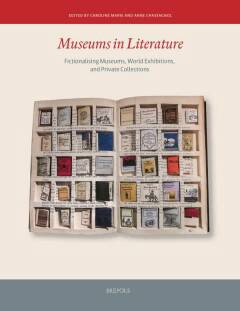
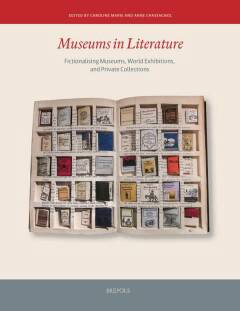
Museum studies today understand museums as symbolic spaces shaping, staging, and disseminating images and imaginaries as well as discourses of knowledge and power. As they try to encompass, gather and classify all times and places within one purpose-built building, they may be theorised with Michel Foucault as "heterotopias," like theatre and libraries, that is to say spaces both within and without time and place. As such, they invent specific discourse and partake of story telling and narrativisation. This collective volume in English and French adopts the perspective of literary studies to investigate the way museums, be they real or imaginary, have been represented, reminisced, or fictionalised in many literary genres from the eighteenth-century to the early twenty-first century. It explores the ways fiction, children's picture story books, and grey literature mediatise and fictionalise art museums, archaeological or Egyptological museums, war museums and museum-like spaces such as World exhibitions, private collections, or, arguably, hoarders' houses, sometimes theorising both literature and museums as discursive spaces producing imaginaries. It includes diachronical, comparative, generical overviews as well as case studies and interviews that together map out the varied modes of appropriation and figuration of museums by fiction, gothic, horror and fantasy, memoirs, reviews, children's literature, and bande dessinee.
Specificaties
Betrokkenen
- Auteur(s):
- Uitgeverij:
Inhoud
- Aantal bladzijden:
- 240
- Taal:
- Frans
- Reeks:
Eigenschappen
- Productcode (EAN):
- 9782503593579
- Verschijningsdatum:
- 8/12/2022
- Uitvoering:
- Hardcover
- Formaat:
- Genaaid
- Afmetingen:
- 226 mm x 284 mm
- Gewicht:
- 1356 g


Alleen bij Standaard Boekhandel
+ 159 punten op je klantenkaart van Standaard Boekhandel
Cadeau

AANGERADEN


Beoordelingen
We publiceren alleen reviews die voldoen aan de voorwaarden voor reviews. Bekijk onze voorwaarden voor reviews.