


- Afhalen na 1 uur in een winkel met voorraad
- Gratis thuislevering in België vanaf € 30
- Ruim aanbod met 7 miljoen producten
- Afhalen na 1 uur in een winkel met voorraad
- Gratis thuislevering in België vanaf € 30
- Ruim aanbod met 7 miljoen producten





€ 14,98
+ 14 punten
Uitvoering
Omschrijving
Longlisted for the 2018 National Book Award in Poetry
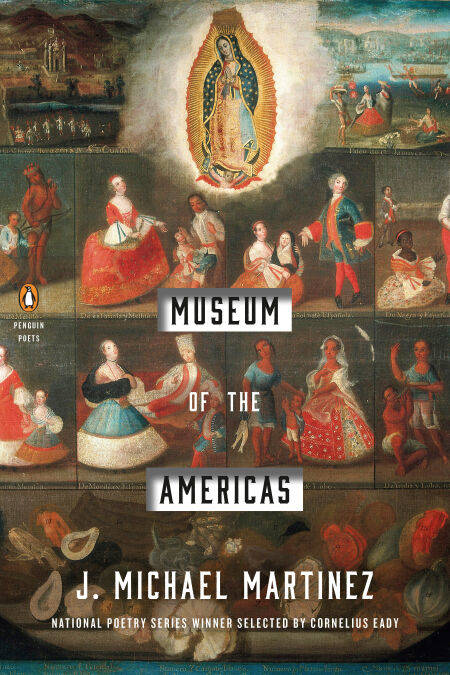
Winner of the National Poetry Series Competition, selected by Cornelius Eady--an exploration in verse of imperial appropriation and Mexican American cultural identity
"Marvelous, argumentative, and curiosity-provoking" --The New York Times Book Review
The poems in J. Michael Martinez's third collection of poetry circle around how the perceived body comes to be coded with the trans-historical consequences of an imperial narrative. Engaging beautiful and otherworldly Mexican casta paintings, morbid photographic postcards depicting the bodies of dead Mexicans, the strange journey of the wood and cork leg of General Santa Anna, and Martinez's own family lineage, Museum of the Americas gives accounts of migrant bodies caught beneath, and fashioned under, a racializing aesthetic gaze. Martinez questions how "knowledge" of the body is organized through visual perception of that body, hypothesizing the corporeal as a repository of the human situation, a nexus of culture. Museum of the Americas' poetic revives and repurposes the persecuted ethnic body from the appropriations that render it an art object and, therefore, diposable.
Winner of the National Poetry Series Competition, selected by Cornelius Eady--an exploration in verse of imperial appropriation and Mexican American cultural identity
"Marvelous, argumentative, and curiosity-provoking" --The New York Times Book Review
The poems in J. Michael Martinez's third collection of poetry circle around how the perceived body comes to be coded with the trans-historical consequences of an imperial narrative. Engaging beautiful and otherworldly Mexican casta paintings, morbid photographic postcards depicting the bodies of dead Mexicans, the strange journey of the wood and cork leg of General Santa Anna, and Martinez's own family lineage, Museum of the Americas gives accounts of migrant bodies caught beneath, and fashioned under, a racializing aesthetic gaze. Martinez questions how "knowledge" of the body is organized through visual perception of that body, hypothesizing the corporeal as a repository of the human situation, a nexus of culture. Museum of the Americas' poetic revives and repurposes the persecuted ethnic body from the appropriations that render it an art object and, therefore, diposable.
Specificaties
Betrokkenen
- Auteur(s):
- Uitgeverij:
Inhoud
- Aantal bladzijden:
- 112
- Taal:
- Engels
- Reeks:
Eigenschappen
- Productcode (EAN):
- 9780525505235
- Verschijningsdatum:
- 1/10/2018
- Uitvoering:
- E-book
- Beveiligd met:
- Adobe DRM
- Formaat:
- ePub


Alleen bij Standaard Boekhandel
+ 14 punten op je klantenkaart van Standaard Boekhandel
AANGERADEN


Beoordelingen
We publiceren alleen reviews die voldoen aan de voorwaarden voor reviews. Bekijk onze voorwaarden voor reviews.