


- Afhalen na 1 uur in een winkel met voorraad
- Gratis thuislevering in België vanaf € 30
- Ruim aanbod met 7 miljoen producten
- Afhalen na 1 uur in een winkel met voorraad
- Gratis thuislevering in België vanaf € 30
- Ruim aanbod met 7 miljoen producten





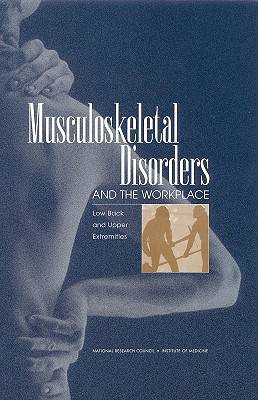
Musculoskeletal Disorders and the Workplace
Low Back and Upper Extremities
Institute of Medicine, National Research Council, Commission on Behavioral and Social Sciences and Education, Panel on Musculoskeletal Disorders and the Workplace
Hardcover | Engels
€ 129,95
+ 259 punten
Omschrijving
Every year workers' low-back, hand, and arm problems lead to time away from jobs and reduce the nation's economic productivity. The connection of these problems to workplace activities-from carrying boxes to lifting patients to pounding computer keyboards-is the subject of major disagreements among workers, employers, advocacy groups, and researchers.
Musculoskeletal Disorders and the Workplace examines the scientific basis for connecting musculoskeletal disorders with the workplace, considering people, job tasks, and work environments. A multidisciplinary panel draws conclusions about the likelihood of causal links and the effectiveness of various intervention strategies. The panel also offers recommendations for what actions can be considered on the basis of current information and for closing information gaps.
This book presents the latest information on the prevalence, incidence, and costs of musculoskeletal disorders and identifies factors that influence injury reporting. It reviews the broad scope of evidence: epidemiological studies of physical and psychosocial variables, basic biology, biomechanics, and physical and behavioral responses to stress. Given the magnitude of the problem-approximately 1 million people miss some work each year-and the current trends in workplace practices, this volume will be a must for advocates for workplace health, policy makers, employers, employees, medical professionals, engineers, lawyers, and labor officials.
Musculoskeletal Disorders and the Workplace examines the scientific basis for connecting musculoskeletal disorders with the workplace, considering people, job tasks, and work environments. A multidisciplinary panel draws conclusions about the likelihood of causal links and the effectiveness of various intervention strategies. The panel also offers recommendations for what actions can be considered on the basis of current information and for closing information gaps.
This book presents the latest information on the prevalence, incidence, and costs of musculoskeletal disorders and identifies factors that influence injury reporting. It reviews the broad scope of evidence: epidemiological studies of physical and psychosocial variables, basic biology, biomechanics, and physical and behavioral responses to stress. Given the magnitude of the problem-approximately 1 million people miss some work each year-and the current trends in workplace practices, this volume will be a must for advocates for workplace health, policy makers, employers, employees, medical professionals, engineers, lawyers, and labor officials.
Specificaties
Betrokkenen
- Auteur(s):
- Uitgeverij:
Inhoud
- Aantal bladzijden:
- 510
- Taal:
- Engels
Eigenschappen
- Productcode (EAN):
- 9780309072847
- Verschijningsdatum:
- 24/06/2001
- Uitvoering:
- Hardcover
- Formaat:
- Genaaid
- Afmetingen:
- 160 mm x 235 mm
- Gewicht:
- 988 g


Alleen bij Standaard Boekhandel
+ 259 punten op je klantenkaart van Standaard Boekhandel
Cadeau

AANGERADEN


Beoordelingen
We publiceren alleen reviews die voldoen aan de voorwaarden voor reviews. Bekijk onze voorwaarden voor reviews.