


- Afhalen na 1 uur in een winkel met voorraad
- Gratis thuislevering in België vanaf € 30
- Ruim aanbod met 7 miljoen producten
- Afhalen na 1 uur in een winkel met voorraad
- Gratis thuislevering in België vanaf € 30
- Ruim aanbod met 7 miljoen producten





Omschrijving
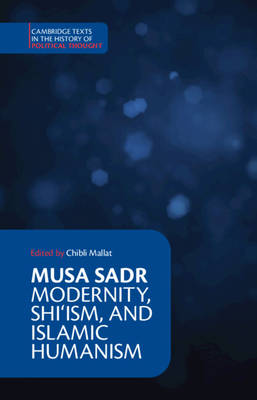
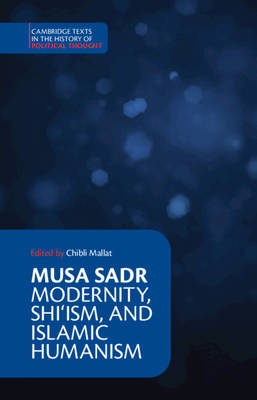
Musa Sadr was a leading force in Lebanese politics from the early 1960s until his disappearance in Libya in 1978. Like now, this was a time of turmoil, violence, and change in the Middle East. Sadr has been portrayed as primarily a charismatic man of action whose inspirational qualities led Lebanon's Shia Muslims to the centre of the political stage. This book also reflects his position as a thinker whose actions were firmly rooted in universal ethical and religious values, and for whom Islam was social philosophy as well as faith. With twelve texts taken from lectures or talks given by Sadr between 1966-1977, an introduction, and a chronology of Sadr's life, the book situates Sadr within currents of humanist intellectual thought. Detailed contextualising footnotes accompany the translations, highlighting the enduring relevance and topicality of Sadr's ideas.
Specificaties
Betrokkenen
- Auteur(s):
- Vertaler(s):
- Uitgeverij:
Inhoud
- Aantal bladzijden:
- 320
- Taal:
- Engels
- Reeks:
Eigenschappen
- Productcode (EAN):
- 9781009736930
- Verschijningsdatum:
- 31/08/2026
- Uitvoering:
- Hardcover
- Formaat:
- Genaaid


Alleen bij Standaard Boekhandel
+ 370 punten op je klantenkaart van Standaard Boekhandel

Beoordelingen
We publiceren alleen reviews die voldoen aan de voorwaarden voor reviews. Bekijk onze voorwaarden voor reviews.