


- Afhalen na 1 uur in een winkel met voorraad
- Gratis thuislevering in België vanaf € 30
- Ruim aanbod met 7 miljoen producten
- Afhalen na 1 uur in een winkel met voorraad
- Gratis thuislevering in België vanaf € 30
- Ruim aanbod met 7 miljoen producten





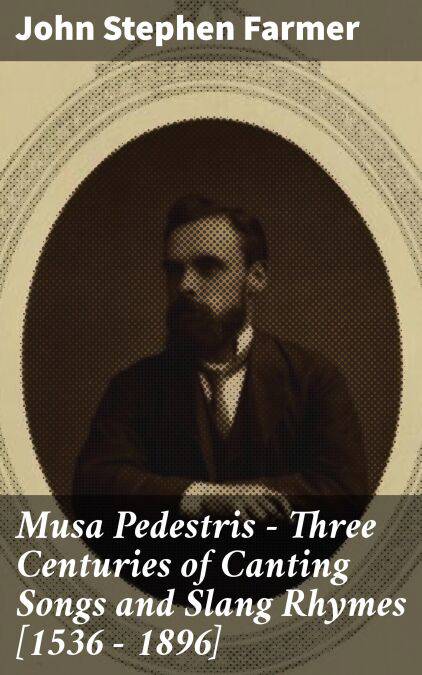
Musa Pedestris - Three Centuries of Canting Songs and Slang Rhymes [1536 - 1896] E-BOOK
Unveiling the Evolution of Canting Songs and Slang Rhymes
John Stephen Farmer
E-book | Engels
€ 1,99
+ 1 punten
Omschrijving
In "Musa Pedestris - Three Centuries of Canting Songs and Slang Rhymes [1536 - 1896]," John Stephen Farmer meticulously compiles an extensive array of vernacular poetry, offering insight into the evolution of canting songs and slang within three centuries of English history. The collection is characterized by its vibrant linguistic playfulness, showcasing the dynamic interplay between language and society. Farmer places these lively rhymes and songs not merely as entertainment but as vital cultural artifacts that reflect the social milieu of their periods, thereby providing a rich contextual backdrop for understanding the nuances of marginalized voices across time. John Stephen Farmer was a pioneering scholar in the study of English vernacular literature and slang. His deep fascination with the linguistic innovations of urban and working-class populations likely drew him to the exploration of canting songs'Äîa genre that thrived among societies on society's margins. Farmer's academic pursuits in linguistics and his awareness of socio-historical contexts enabled him to assemble a work that serves as both a compendium and a critical examination of the vernacular traditions in England. This book is highly recommended for linguists, social historians, and anyone interested in the cultural history of language. Farmer's curated anthology not only brings forth lost voices but also offers contemporary readers a chance to appreciate the rich, textured history of English slang and its role within the broader tapestry of literature and society.
Specificaties
Betrokkenen
- Auteur(s):
- Uitgeverij:
Inhoud
- Aantal bladzijden:
- 101
- Taal:
- Engels
Eigenschappen
- Productcode (EAN):
- 4064066165543
- Verschijningsdatum:
- 15/12/2019
- Uitvoering:
- E-book
- Beveiligd met:
- Digital watermarking
- Formaat:
- ePub


Alleen bij Standaard Boekhandel
+ 1 punten op je klantenkaart van Standaard Boekhandel
Cadeau

AANGERADEN


Beoordelingen
We publiceren alleen reviews die voldoen aan de voorwaarden voor reviews. Bekijk onze voorwaarden voor reviews.