


- Afhalen na 1 uur in een winkel met voorraad
- Gratis thuislevering in België vanaf € 30
- Ruim aanbod met 7 miljoen producten
- Afhalen na 1 uur in een winkel met voorraad
- Gratis thuislevering in België vanaf € 30
- Ruim aanbod met 7 miljoen producten





€ 198,45
+ 396 punten
Omschrijving
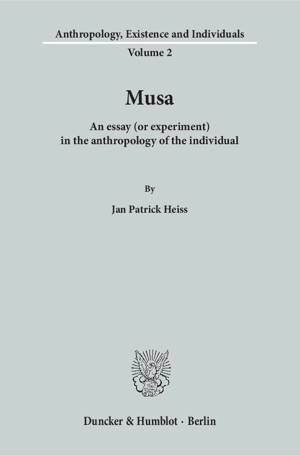
Anthropology does not usually select a person and try to empirically research, describe, analyse and explain their present life. However, this is the main objective pursued in this book. The field subject who becomes a theme in it is Musa, a Hausa peasant from Niger. This study thus provides an account of his present life and tries to explain it by drawing on the literature on peasants and on Islam in the region. This book also tries to show that the study of individuals "as such" is a topic for anthropology which deserves more attention. It argues that anthropology could benefit from an explicit discussion of the notion of the individual by providing more differentiated accounts of individuals as it tries to contribute to a development of an appropriate notion of the individual for anthropology. Furthermore, it makes the point that the study of individuals contributes to a better understanding of the interrelationship between different social fields, e.g. religion and economy.
Specificaties
Betrokkenen
- Auteur(s):
- Uitgeverij:
Inhoud
- Aantal bladzijden:
- 329
- Taal:
- Engels
- Reeks:
- Reeksnummer:
- nr. 2
Eigenschappen
- Productcode (EAN):
- 9783428147816
- Verschijningsdatum:
- 2/09/2015
- Uitvoering:
- Paperback
- Formaat:
- Trade paperback (VS)
- Afmetingen:
- 155 mm x 231 mm
- Gewicht:
- 4975 g


Alleen bij Standaard Boekhandel
+ 396 punten op je klantenkaart van Standaard Boekhandel

Beoordelingen
We publiceren alleen reviews die voldoen aan de voorwaarden voor reviews. Bekijk onze voorwaarden voor reviews.