


- Afhalen na 1 uur in een winkel met voorraad
- Gratis thuislevering in België vanaf € 30
- Ruim aanbod met 7 miljoen producten
- Afhalen na 1 uur in een winkel met voorraad
- Gratis thuislevering in België vanaf € 30
- Ruim aanbod met 7 miljoen producten




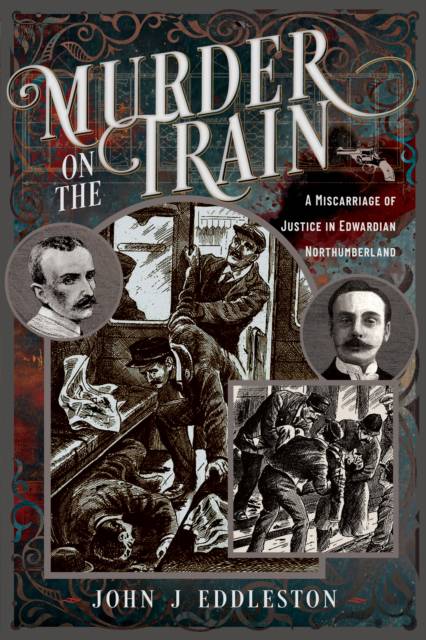
Murder on the Train
A Miscarriage of Justice in Edwardian Northumberland
John J Eddleston
Paperback | Engels
€ 22,45
+ 44 punten
Omschrijving
A gripping true-crime investigation re-examining the 1910 Newcastle train murder and potential wrongful conviction.
In the spring of 1910, a shocking murder rocked Edwardian England. John Innes Nisbet, a quiet, unassuming man, was found brutally shot five times in the head aboard the 10.27 Newcastle Central train, and the colliery wages he had been carrying were stolen. Days later, John Alexander Dickman, a gambler by trade, was arrested and convicted of the crime, despite the conviction resting solely on circumstantial evidence.
Sent to the gallows, Dickman maintained his innocence until the end. Over a century later, this gripping investigation reopens the case, re-examining the evidence and exposing the flaws in Dickman's conviction. Could the real killer have escaped justice? With new insights and a compelling alternative theory, Murder on the Train unveils what might truly have happened that fateful day.
In the spring of 1910, a shocking murder rocked Edwardian England. John Innes Nisbet, a quiet, unassuming man, was found brutally shot five times in the head aboard the 10.27 Newcastle Central train, and the colliery wages he had been carrying were stolen. Days later, John Alexander Dickman, a gambler by trade, was arrested and convicted of the crime, despite the conviction resting solely on circumstantial evidence.
Sent to the gallows, Dickman maintained his innocence until the end. Over a century later, this gripping investigation reopens the case, re-examining the evidence and exposing the flaws in Dickman's conviction. Could the real killer have escaped justice? With new insights and a compelling alternative theory, Murder on the Train unveils what might truly have happened that fateful day.
Specificaties
Betrokkenen
- Auteur(s):
- Uitgeverij:
Inhoud
- Aantal bladzijden:
- 224
- Taal:
- Engels
Eigenschappen
- Productcode (EAN):
- 9781036124922
- Verschijningsdatum:
- 5/03/2026
- Uitvoering:
- Paperback
- Formaat:
- Trade paperback (VS)
- Afmetingen:
- 159 mm x 235 mm
- Gewicht:
- 302 g


Alleen bij Standaard Boekhandel
+ 44 punten op je klantenkaart van Standaard Boekhandel

Beoordelingen
We publiceren alleen reviews die voldoen aan de voorwaarden voor reviews. Bekijk onze voorwaarden voor reviews.