


- Afhalen na 1 uur in een winkel met voorraad
- Gratis thuislevering in België vanaf € 30
- Ruim aanbod met 7 miljoen producten
- Afhalen na 1 uur in een winkel met voorraad
- Gratis thuislevering in België vanaf € 30
- Ruim aanbod met 7 miljoen producten





€ 71,21
+ 142 punten
Omschrijving
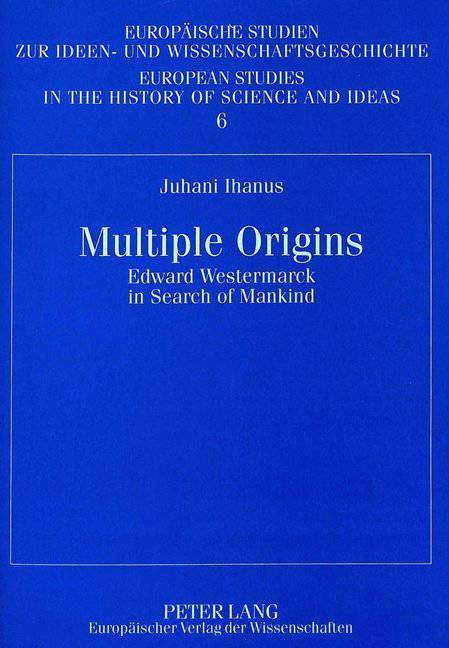
Based on extensive research this work gives a detailed account and a reappraisal of Edward Westermarck's thought. Westermarck had versatile relations to Victorian evolutionists (Wallace, Tylor, Spencer), and to British social anthropologists (Frazer, Haddon, Rivers, Malinowski) and psychologists (Shand, Sully). Westermarck was a pioneer of anthropological fieldwork, and his writings on the history of marriage and on the origin and development of moral ideas are modern classics. He was a transitional figure between evolutionism, on the one hand, and functionalism and structuralism, on the other hand. Westermarck's theories of exogamy and incest, and his notions of psychological ethics, moral emotions and concepts, and expanding morality were referred to by Durkheim and Freud, as they are referred to by present-day evolutionary theorists. The search for mankind continues to be of current interest.
Specificaties
Betrokkenen
- Auteur(s):
- Uitgeverij:
Inhoud
- Aantal bladzijden:
- 358
- Taal:
- Engels
- Reeks:
- Reeksnummer:
- nr. 6
Eigenschappen
- Productcode (EAN):
- 9783631344552
- Verschijningsdatum:
- 1/01/1999
- Uitvoering:
- Paperback
- Formaat:
- Trade paperback (VS)
- Afmetingen:
- 148 mm x 210 mm
- Gewicht:
- 479 g


Alleen bij Standaard Boekhandel
+ 142 punten op je klantenkaart van Standaard Boekhandel
CADEAU

AANGERADEN


Beoordelingen
We publiceren alleen reviews die voldoen aan de voorwaarden voor reviews. Bekijk onze voorwaarden voor reviews.