


- Afhalen na 1 uur in een winkel met voorraad
- Gratis thuislevering in België vanaf € 30
- Ruim aanbod met 7 miljoen producten
- Afhalen na 1 uur in een winkel met voorraad
- Gratis thuislevering in België vanaf € 30
- Ruim aanbod met 7 miljoen producten





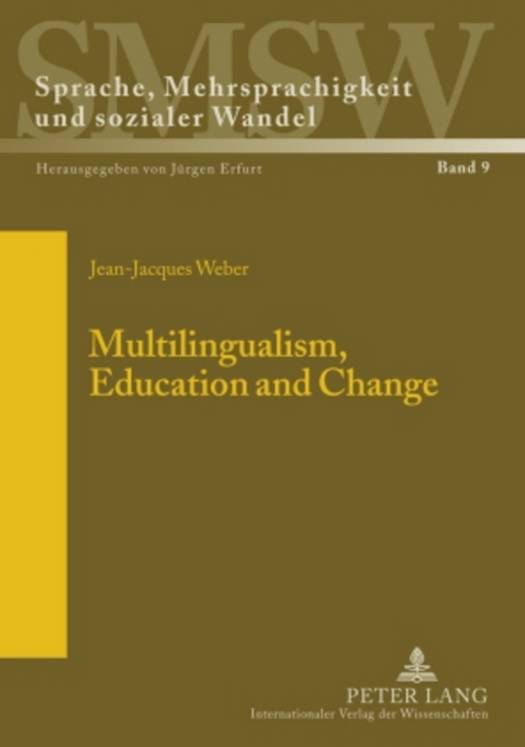
Multilingualism, Education and Change
Jean-Jacques Weber
€ 73,45
+ 146 punten
Omschrijving
This is a book about language and education in one of the smallest European Union member-states, Luxembourg. It presents the results of an ethnographic study of code-switching and language ideologies among transnational, luso-descendant youngsters attending a number of youth centres in Luxembourg city. It offers a comprehensive description of the processes of construction and negotiation of new, emergent identities and ethnicities.
The author considers the implications of these results for language-in-education policy, including the EU policy of multilingualism. He criticizes mother-tongue education and advocates instead the use of literacy bridges. Clearly argued and widely applicable, this book is essential reading for students and researchers interested in multilingualism, migration and education.
The author considers the implications of these results for language-in-education policy, including the EU policy of multilingualism. He criticizes mother-tongue education and advocates instead the use of literacy bridges. Clearly argued and widely applicable, this book is essential reading for students and researchers interested in multilingualism, migration and education.
Specificaties
Betrokkenen
- Auteur(s):
- Uitgeverij:
Inhoud
- Aantal bladzijden:
- 188
- Taal:
- Engels
- Reeks:
- Reeksnummer:
- nr. 9
Eigenschappen
- Productcode (EAN):
- 9783631572856
- Verschijningsdatum:
- 3/12/2008
- Uitvoering:
- Paperback
- Formaat:
- Trade paperback (VS)
- Afmetingen:
- 148 mm x 210 mm
- Gewicht:
- 231 g



Alleen bij Standaard Boekhandel
+ 146 punten op je klantenkaart van Standaard Boekhandel
Cadeau

AANGERADEN


Beoordelingen
We publiceren alleen reviews die voldoen aan de voorwaarden voor reviews. Bekijk onze voorwaarden voor reviews.