


- Afhalen na 1 uur in een winkel met voorraad
- Gratis thuislevering in België vanaf € 30
- Ruim aanbod met 7 miljoen producten
- Afhalen na 1 uur in een winkel met voorraad
- Gratis thuislevering in België vanaf € 30
- Ruim aanbod met 7 miljoen producten





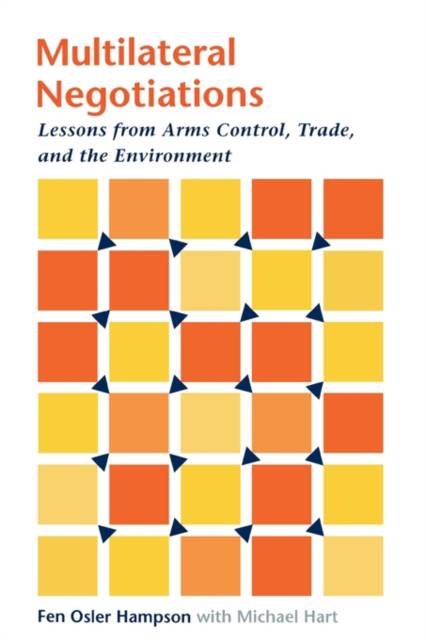
Multilateral Negotiations
Lessons from Arms Control, Trade, and the Environment
Fen Osler Hampson
Paperback | Engels
€ 53,45
+ 106 punten
Eenvoudig bestellen
Veilig betalen


Gratis thuislevering vanaf € 30 (via bpost)
Gratis levering in je Standaard Boekhandel
Omschrijving
Unlike conventional bilateral negotiations, multilateral negotiations are characterized by intensive international discussions that involve multiple actors and interests, highly complex agendas, and differentiated international settings. Political scientist Fen Osler Hampson, with the assistance of trade specialist Michael Hart, studies the component parts of the multilateral negotiation process to identify those factors making for success or failure. The authors argue that multilateral negotiation is, in essence, a coalition-building enterprise involving states, nonstate actors, and international organizations. Individual case studies include discussions on security, the environment, economic issues, and non-governmental actors-such as scientists and environmental groups like Greenpeace International-in prenegotiation and negotiation phases.
Specificaties
Betrokkenen
- Auteur(s):
- Uitgeverij:
Inhoud
- Aantal bladzijden:
- 432
- Taal:
- Engels
Eigenschappen
- Productcode (EAN):
- 9780801861970
- Verschijningsdatum:
- 1/03/1999
- Uitvoering:
- Paperback
- Formaat:
- Trade paperback (VS)
- Afmetingen:
- 154 mm x 229 mm
- Gewicht:
- 571 g


Alleen bij Standaard Boekhandel
+ 106 punten op je klantenkaart van Standaard Boekhandel
CADEAU

AANGERADEN


Beoordelingen
We publiceren alleen reviews die voldoen aan de voorwaarden voor reviews. Bekijk onze voorwaarden voor reviews.