


- Afhalen na 1 uur in een winkel met voorraad
- Gratis thuislevering in België vanaf € 30
- Ruim aanbod met 7 miljoen producten
- Afhalen na 1 uur in een winkel met voorraad
- Gratis thuislevering in België vanaf € 30
- Ruim aanbod met 7 miljoen producten





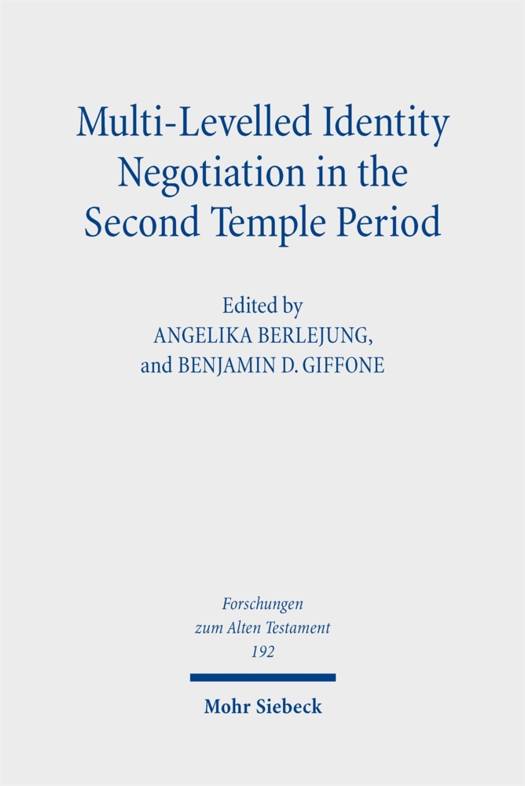
Multi-Levelled Identity Negotiation in the Second Temple Period
Essays in Honor of Louis C. Jonker
€ 161,95
+ 323 punten
Omschrijving
The contributors to this volume respond in various ways to Louis C. Jonker's proposal of a comprehensive model of »multi-levelled identity negotiation« that describes the dynamic ability of Yehudian scribes to move within four different domains - within the Persian Empire; Yehud among its provincial neighbors; the tribal relationships within »All Israel«; and within the Jerusalem cult - and to emphasize (or de-emphasize) different aspects of identity, depending on the needs of the community. The essays in Part I focus on aspects of or passages from the book of Chronicles, building on and responding to Jonker's analysis. The essays in Part II respond to Jonker's call to analyze portions of the Hebrew canon other than Chronicles. Three essays pertain to the Pentateuch, three to the book of Kings, one addresses Isaiah's servant songs, and one Psalms 135-136. The essays in Part III pursue »multi-levelled identity negotiation« in a different direction: objects and material culture.
Specificaties
Betrokkenen
- Uitgeverij:
Inhoud
- Taal:
- Engels
- Reeks:
Eigenschappen
- Productcode (EAN):
- 9783162001191
- Uitvoering:
- Hardcover
- Afmetingen:
- 155 mm x 232 mm


Alleen bij Standaard Boekhandel
+ 323 punten op je klantenkaart van Standaard Boekhandel
Cadeau

AANGERADEN


Beoordelingen
We publiceren alleen reviews die voldoen aan de voorwaarden voor reviews. Bekijk onze voorwaarden voor reviews.