


- Afhalen na 1 uur in een winkel met voorraad
- Gratis thuislevering in België vanaf € 30
- Ruim aanbod met 7 miljoen producten
- Afhalen na 1 uur in een winkel met voorraad
- Gratis thuislevering in België vanaf € 30
- Ruim aanbod met 7 miljoen producten





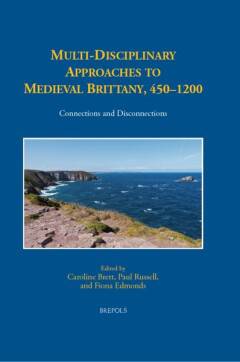
Multi-Disciplinary Approaches to Medieval Brittany, 450–1200
Connections and Disconnections
Caroline Brett
€ 84,80
+ 169 punten
Omschrijving
While it is well-established that Brittany and the Insular world were closely linked during the medieval period, the precise nature of these connections continues to spark debate. Was there a significant migration in the fifth century, or were the connections more multi-faceted and enduring than medieval accounts suggest? And how might we triangulate the Atlantic connections with other influences on medieval Brittany, including those from the Carolingian world? Drawing together research that was first presented at the conference 'Brittany and the Atlantic Archipelago: Contact, Myth and History 450-1200', held in Cambridge in December 2017, this volume seeks to present new and ground-breaking research into both Brittany and its broader European context during the medieval period. The chapters gathered here range across various disciplines, including textual history, archaeology, hagiography, onomastics, and the study of liturgical evidence, offering new insights into our understanding of medieval Brittany, as well as drawing out particular connections (and disconnections) between Brittany and its neighbours.
Specificaties
Betrokkenen
- Auteur(s):
- Uitgeverij:
Inhoud
- Aantal bladzijden:
- 376
- Taal:
- Frans
- Reeks:
- Reeksnummer:
- nr. 36
Eigenschappen
- Productcode (EAN):
- 9782503601106
- Verschijningsdatum:
- 23/06/2023
- Uitvoering:
- Hardcover
- Formaat:
- Genaaid
- Gewicht:
- 426 g


Alleen bij Standaard Boekhandel
+ 169 punten op je klantenkaart van Standaard Boekhandel
Cadeau

AANGERADEN


Beoordelingen
We publiceren alleen reviews die voldoen aan de voorwaarden voor reviews. Bekijk onze voorwaarden voor reviews.