


- Afhalen na 1 uur in een winkel met voorraad
- Gratis thuislevering in België vanaf € 30
- Ruim aanbod met 7 miljoen producten
- Afhalen na 1 uur in een winkel met voorraad
- Gratis thuislevering in België vanaf € 30
- Ruim aanbod met 7 miljoen producten




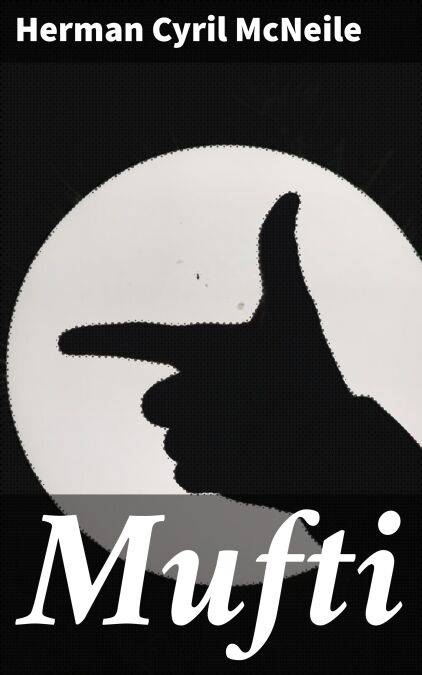
Mufti E-BOOK
A Tale of Courage and Camaraderie in the Trenches of WWI
Herman Cyril McNeile
E-book | Engels
€ 1,99
+ 1 punten
Omschrijving
In "Mufti," Herman Cyril McNeile masterfully explores the complex tapestry of military life during World War I, weaving a narrative that oscillates between the grit of trench warfare and the nuances of personal sacrifice. McNeile employs a vivid, lyrical style that transcends the typical war novel, focusing on the emotional landscapes of his characters while also painting a poignant picture of camaraderie amidst chaos. The text reflects the broader literary context of post-Victorian literature, grappling with themes of heroism, duty, and the existential dilemmas faced by soldiers, all while being infused with McNeile's characteristic dry wit and keen social observation. Herman Cyril McNeile, often writing under the pen name Sapper, drew upon his own experiences as a captain in the Royal Engineers during the war to craft authentic narratives that resonate with readers. His background in military engineering and his keen interest in human psychology informed his characterizations and thematic choices, providing a unique lens through which he examined the interplay between personal choices and military obligations. This firsthand knowledge adds a layer of credibility and depth to the text, marking it as a significant contribution to war literature. "Mufti" is highly recommended for readers who seek a deeper understanding of the human condition through the lens of conflict. It appeals not only to those interested in military history but also to anyone drawn to richly crafted narratives that probe the depths of the human spirit. McNeile'Äôs portrayal of resilience and vulnerability in the face of adversity ensures that this book is both timeless and relevant.
Specificaties
Betrokkenen
- Auteur(s):
- Uitgeverij:
Inhoud
- Aantal bladzijden:
- 193
- Taal:
- Engels
Eigenschappen
- Productcode (EAN):
- 4064066407377
- Verschijningsdatum:
- 7/12/2020
- Uitvoering:
- E-book
- Beveiligd met:
- Digital watermarking
- Formaat:
- ePub



Alleen bij Standaard Boekhandel
+ 1 punten op je klantenkaart van Standaard Boekhandel
Cadeau

AANGERADEN


Beoordelingen
We publiceren alleen reviews die voldoen aan de voorwaarden voor reviews. Bekijk onze voorwaarden voor reviews.