


- Afhalen na 1 uur in een winkel met voorraad
- Gratis thuislevering in België vanaf € 30
- Ruim aanbod met 7 miljoen producten
- Afhalen na 1 uur in een winkel met voorraad
- Gratis thuislevering in België vanaf € 30
- Ruim aanbod met 7 miljoen producten





€ 31,95
+ 63 punten
Eenvoudig bestellen
Veilig betalen


Gratis thuislevering vanaf € 30 (via bpost)
Gratis levering in je Standaard Boekhandel
Omschrijving
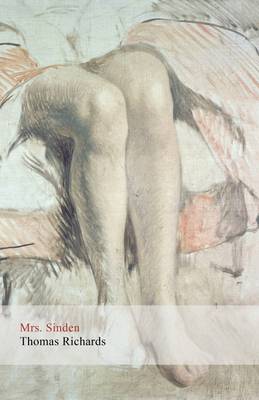
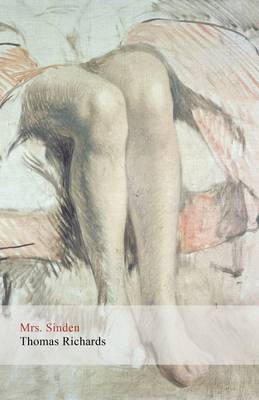
Mrs. Sinden, a story of love in a time of plague. Jessica Sinden, a reserved British woman who has lost one of her three children to suicide, unexpectedly falls in love. Love upends her, and even she is surprised by all the changes she feels in and around herself. But Jessica meets her American lover, Philip Nye, just as rumors begin to mount about some kind of new disease in China. The references to the disease, SARS, are at first offhand and casual, deepening in seriousness as the narrative proceeds, and the two of them wind up quarantined together on a high mountain, waiting for death. One dies.
Her husband, Edward Sinden, a doctor specializing in infectious diseases and perpetually immersed in his work has over the years become distant with Jessica. He is called to a hospital in a remote province in China, and while in China and under government surveillance, is asked to treat very sick patients. To his horror, he begins to realize that the disease is a deadly epidemic.
Mrs. Sinden is also a postcolonial love story. It deals with white expatriates in Hong Kong who are remnants of an increasingly marginal and irrelevant colonial culture. It is framed and underscored by larger political events, but it is essentially a deeply personal story of a middle-aged woman who unexpectedly discovers a real warmth in herself. The novel has a particular interest in its women characters.
Her husband, Edward Sinden, a doctor specializing in infectious diseases and perpetually immersed in his work has over the years become distant with Jessica. He is called to a hospital in a remote province in China, and while in China and under government surveillance, is asked to treat very sick patients. To his horror, he begins to realize that the disease is a deadly epidemic.
Mrs. Sinden is also a postcolonial love story. It deals with white expatriates in Hong Kong who are remnants of an increasingly marginal and irrelevant colonial culture. It is framed and underscored by larger political events, but it is essentially a deeply personal story of a middle-aged woman who unexpectedly discovers a real warmth in herself. The novel has a particular interest in its women characters.
Specificaties
Betrokkenen
- Auteur(s):
- Uitgeverij:
Inhoud
- Aantal bladzijden:
- 264
- Taal:
- Engels
Eigenschappen
- Productcode (EAN):
- 9781954021976
- Verschijningsdatum:
- 11/01/2023
- Uitvoering:
- Paperback
- Formaat:
- Trade paperback (VS)
- Afmetingen:
- 140 mm x 216 mm
- Gewicht:
- 362 g


Alleen bij Standaard Boekhandel
+ 63 punten op je klantenkaart van Standaard Boekhandel
CADEAU

AANGERADEN


Beoordelingen
We publiceren alleen reviews die voldoen aan de voorwaarden voor reviews. Bekijk onze voorwaarden voor reviews.