


- Afhalen na 1 uur in een winkel met voorraad
- Gratis thuislevering in België vanaf € 30
- Ruim aanbod met 7 miljoen producten
- Afhalen na 1 uur in een winkel met voorraad
- Gratis thuislevering in België vanaf € 30
- Ruim aanbod met 7 miljoen producten





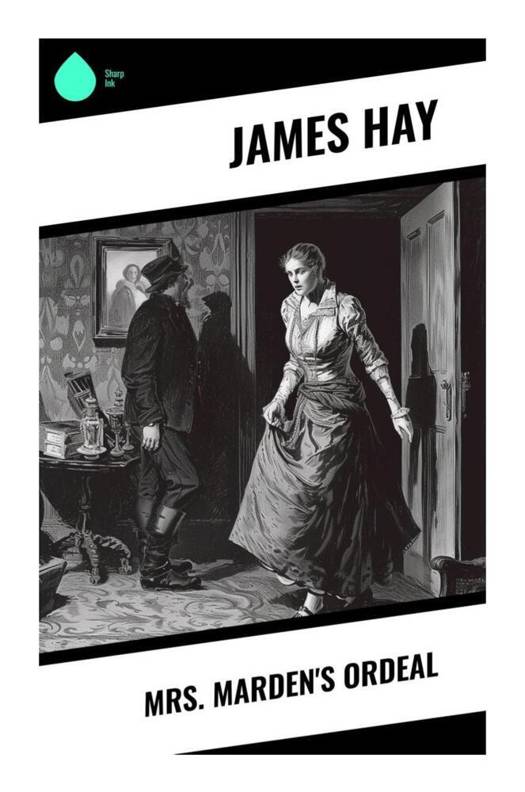
Mrs. Marden's Ordeal
A Vintage American Mystery of Domestic Suspense, Society Scandal, and Hidden Motives
James Hay
Paperback | Engels
€ 9,95
+ 19 punten
Eenvoudig bestellen
Veilig betalen


Gratis thuislevering vanaf € 30 (via bpost)
Gratis levering in je Standaard Boekhandel
Omschrijving
Mrs. Marden's Ordeal is a finely wrought work of early twentieth-century American suspense, centering on a woman forced through a trial at once social, moral, and psychological. Hay transforms the conventions of domestic melodrama into a disciplined mystery narrative, where drawing rooms, reputations, and circumstantial evidence become instruments of pressure. Its style is lucid and economical, marked by careful pacing, forensic curiosity, and the era's fascination with hidden motives beneath respectable surfaces. James Hay, an American writer associated with the development of popular detective and mystery fiction, brought to such narratives a journalist's alertness to fact and a novelist's interest in character under strain. His experience of public life, law, and modern urban society likely sharpened his sense of how quickly private lives can become public dramas, a tension that animates Mrs. Marden's predicament. This book will reward readers who enjoy classic mysteries grounded not merely in clues, but in human vulnerability and social consequence. It is especially recommended to those interested in the evolution of American crime fiction before the hard-boiled age, when suspense still moved through manners, conscience, and the perilous theater of reputation.



Alleen bij Standaard Boekhandel
+ 19 punten op je klantenkaart van Standaard Boekhandel
CADEAU

AANGERADEN


Beoordelingen
We publiceren alleen reviews die voldoen aan de voorwaarden voor reviews. Bekijk onze voorwaarden voor reviews.