


- Afhalen na 1 uur in een winkel met voorraad
- Gratis thuislevering in België vanaf € 30
- Ruim aanbod met 7 miljoen producten
- Afhalen na 1 uur in een winkel met voorraad
- Gratis thuislevering in België vanaf € 30
- Ruim aanbod met 7 miljoen producten





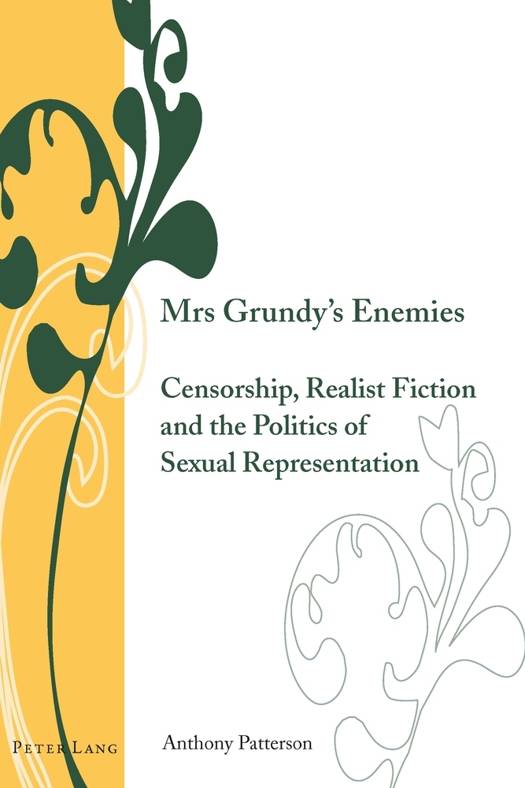
Mrs Grundy's Enemies; Censorship, Realist Fiction and the Politics of Sexual Representation
Censorship, Realist Fiction and the Politics of Sexual Representation
Anthony Patterson
€ 126,45
+ 252 punten
Omschrijving
This is the first book-length study of literary censorship in the late Victorian and Edwardian periods. While in recent years the aesthetics and politics of British Modernism have been re-evaluated and the concept and function of censorship redefined, Modernism's privileged status in the struggle against and ultimate defeat of censorship remains largely unquestioned. This book contests that the vital role played by Realist writers in the battle against censorship and the dominant sexual ideologies that bolstered it has been significantly underestimated. It contends that many Realist writers not only produced transgressive sexual representations within the confines of an existent culture of censorship, but also reflexively incorporated themes and issues of censorship into their fiction. Through its focus on censorship, the book explores a number of narratives to reveal their complex sexual politics and show how texts that ostensibly oppose traditional morality can also reinforce dominant sexual ideologies in new paradigms of scientific rationality. Moreover, reading these fictions through the lens of censorship offers fresh insights into the novels and short stories of the late Victorian and Edwardian periods.
Specificaties
Betrokkenen
- Auteur(s):
- Uitgeverij:
Inhoud
- Aantal bladzijden:
- 236
- Taal:
- Engels
- Reeks:
- Reeksnummer:
- nr. 2
Eigenschappen
- Productcode (EAN):
- 9783034308878
- Verschijningsdatum:
- 7/05/2013
- Uitvoering:
- Hardcover
- Formaat:
- Ongenaaid / garenloos gebonden
- Afmetingen:
- 152 mm x 229 mm
- Gewicht:
- 498 g



Alleen bij Standaard Boekhandel
+ 252 punten op je klantenkaart van Standaard Boekhandel
Cadeau

AANGERADEN


Beoordelingen
We publiceren alleen reviews die voldoen aan de voorwaarden voor reviews. Bekijk onze voorwaarden voor reviews.