


- Afhalen na 1 uur in een winkel met voorraad
- Gratis thuislevering in België vanaf € 30
- Ruim aanbod met 7 miljoen producten
- Afhalen na 1 uur in een winkel met voorraad
- Gratis thuislevering in België vanaf € 30
- Ruim aanbod met 7 miljoen producten





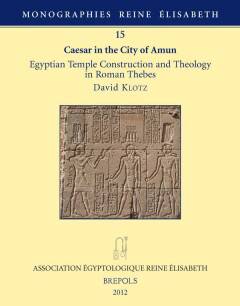
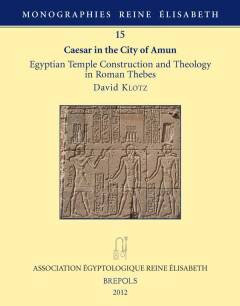
MRE 15 Caesar in the City of Amun: Egyptian Temple Construction and Theology in Roman Thebes
Egyptian Temple Construction and Theology in Roman Thebes
David Klotz
€ 121,90
+ 243 punten
Omschrijving
Thebes (modern Luxor) was a popular tourist destination during the Roman Period, receiving the likes of Strabo, Germanicus, and Hadrian. Yet while its international fame rested on its royal tombs and the Memnon colossus, Thebes was also a vibrant religious center with over a dozen active temples. The purposefully archaizing inscriptions and architecture attracted both Egyptians and Romans in search of ancient traditions and millennial wisdom, influencing intercultural and multilingual texts produced in the region, including Gnostic, Hermetic, and magical writings. This book surveys epigraphic and archaeological evidence for temple construction and renovation throughout the Theban nome during the Roman Period, studying the new inscriptions within their ritual and theological contexts. It also contains the first comprehensive treatment of the greater Theban Pantheon during the Graeco-Roman era, cataloguing over fifty local divinities and establishing their roles in various cosmogonies and mythological traditions.The concluding chapter reconstructs the religious life of the district, tracking annual festival processions which united the multiple temples and their communities.
Specificaties
Betrokkenen
- Auteur(s):
- Uitgeverij:
Inhoud
- Aantal bladzijden:
- 476
- Taal:
- Engels
- Reeks:
- Reeksnummer:
- nr. 15
Eigenschappen
- Productcode (EAN):
- 9782503545158
- Verschijningsdatum:
- 2/07/2012
- Uitvoering:
- Paperback
- Formaat:
- Trade paperback (VS)
- Afmetingen:
- 216 mm x 279 mm
- Gewicht:
- 1519 g


Alleen bij Standaard Boekhandel
+ 243 punten op je klantenkaart van Standaard Boekhandel
Cadeau

AANGERADEN


Beoordelingen
We publiceren alleen reviews die voldoen aan de voorwaarden voor reviews. Bekijk onze voorwaarden voor reviews.