


- Afhalen na 1 uur in een winkel met voorraad
- Gratis thuislevering in België vanaf € 30
- Ruim aanbod met 7 miljoen producten
- Afhalen na 1 uur in een winkel met voorraad
- Gratis thuislevering in België vanaf € 30
- Ruim aanbod met 7 miljoen producten





Omschrijving
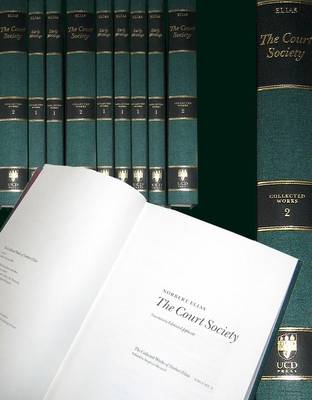
Like his father Leopold, Wolfgang Amadeus Mozart was dependent on a court aristocracy in whose eyes he was little more than a domestic servant. Unlike his father, however, his personal makeup was already that of the freelance artist who sought to follow the flow of his own artistic conscience and imagination rather than the courtly conventions and standards of the day. In "Mozart: the Sociology of a Genius", Elias paints a portrait of this extraordinarily gifted artist born into a society that did not yet possess either the concept of 'genius' or (at least in music) that of freelance artist. The apparent contradictions of his character - the refined elegance of his compositions and the coarseness of his lavatorial humour - reflect his uncomfortable and eventually tragic straddling of two social worlds. The volume also includes two major essays on cognate topics, previously unpublished in English: on the courtly painter Watteau's "Embarkation for Cythera", and on 'The fate of German Baroque poetry: between the traditions of court and middle class'.
Specificaties
Betrokkenen
- Auteur(s):
- Uitgeverij:
Inhoud
- Aantal bladzijden:
- 208
- Taal:
- Engels
- Reeks:
- Reeksnummer:
- nr. 12
Eigenschappen
- Productcode (EAN):
- 9781906359096
- Verschijningsdatum:
- 5/01/2010
- Uitvoering:
- Hardcover
- Formaat:
- Genaaid
- Afmetingen:
- 163 mm x 234 mm
- Gewicht:
- 517 g



Alleen bij Standaard Boekhandel
+ 198 punten op je klantenkaart van Standaard Boekhandel
AANGERADEN


Beoordelingen
We publiceren alleen reviews die voldoen aan de voorwaarden voor reviews. Bekijk onze voorwaarden voor reviews.