


- Afhalen na 1 uur in een winkel met voorraad
- Gratis thuislevering in België vanaf € 30
- Ruim aanbod met 7 miljoen producten
- Afhalen na 1 uur in een winkel met voorraad
- Gratis thuislevering in België vanaf € 30
- Ruim aanbod met 7 miljoen producten





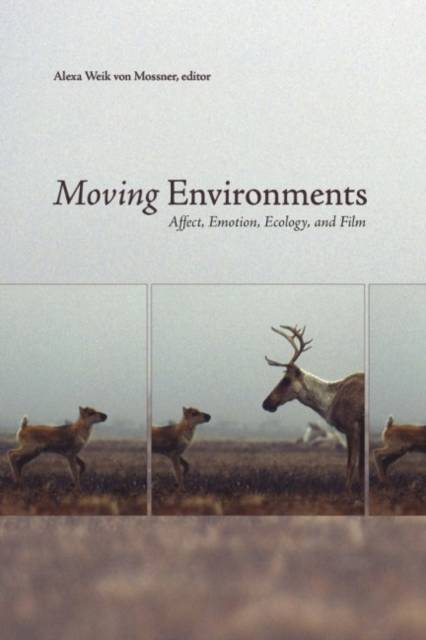
Moving Environments
Affect, Emotion, Ecology, and Film
€ 75,95
+ 151 punten
Eenvoudig bestellen
Veilig betalen


Gratis thuislevering vanaf € 30 (via bpost)
Gratis levering in je Standaard Boekhandel
Omschrijving
In Moving Environments: Affect, Emotion, Ecology, and Film, international scholars investigate how films portray human emotional relationships with the more-than-human world and how such films act upon their viewers' emotions. Emotion and affect are the basic mechanisms that connect us to our environment, shape our knowledge, and motivate our actions. Contributors explore how film represents and shapes human emotion in relation to different environments and what role time, place, and genre play in these affective processes. Individual essays resituate well-researched environmental films such as An Inconvenient Truth and March of the Penguins by paying close attention to their emotionalizing strategies, and bring to our attention the affective qualities of films that have so far received little attention from ecocritics, such as Stan Brakhage's Dog Star Man. The collection opens a new discursive space at the disciplinary intersection of film studies, affect studies, and a growing body of ecocritical scholarship. It will be of interest not only to scholars and students working in the field of ecocriticism and the environmental humanities, but for everyone with an interest in our emotional responses to film.
Specificaties
Betrokkenen
- Uitgeverij:
Inhoud
- Aantal bladzijden:
- 296
- Taal:
- Engels
- Reeks:
- Reeksnummer:
- nr. 9
Eigenschappen
- Productcode (EAN):
- 9781771120029
- Verschijningsdatum:
- 4/08/2014
- Uitvoering:
- Paperback
- Formaat:
- Trade paperback (VS)
- Afmetingen:
- 150 mm x 226 mm
- Gewicht:
- 430 g


Alleen bij Standaard Boekhandel
+ 151 punten op je klantenkaart van Standaard Boekhandel
CADEAU

AANGERADEN


Beoordelingen
We publiceren alleen reviews die voldoen aan de voorwaarden voor reviews. Bekijk onze voorwaarden voor reviews.