


- Afhalen na 1 uur in een winkel met voorraad
- Gratis thuislevering in België vanaf € 30
- Ruim aanbod met 7 miljoen producten
- Afhalen na 1 uur in een winkel met voorraad
- Gratis thuislevering in België vanaf € 30
- Ruim aanbod met 7 miljoen producten





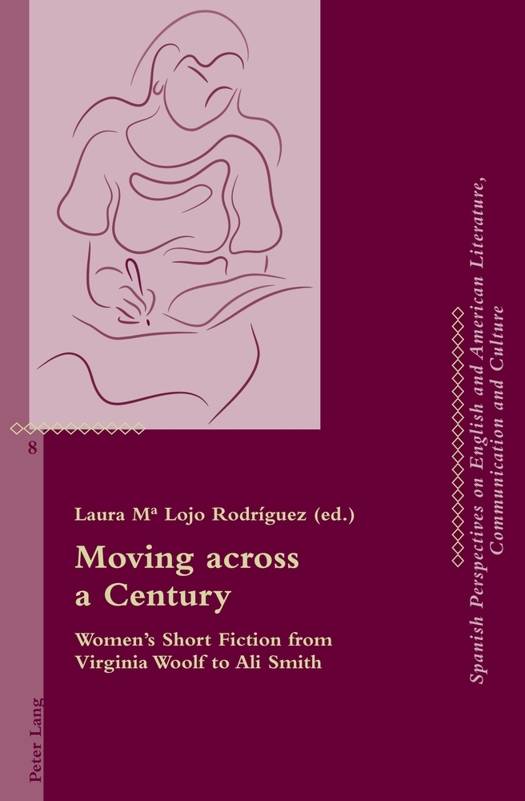
Moving Across a Century
Women's Short Fiction from Virginia Woolf to Ali Smith
€ 53,95
+ 107 punten
Omschrijving
The difference between modernism and postmodernism has been object to constant revision from a variety of critical perspectives. The present collection of essays on women's short fiction tackles anew this thorny distinction from the theoretical perspective sketched by psychoanalytical philosopher Slavoj Zizek. According to Zizek, modernism hints at the incompleteness of the Symbolic Order, but does so from a separate, marginal and alternative sphere of enjoyment. Postmodernism, on the contrary, exposes the fundamental inconsistency of the Symbolic Order by giving it a central place at the very core of the text. The key distinguishing feature is the mutation of the status of paternal authority throughout a century to which modernist and postmodernist texts are responsive. Starting from this theoretical premise, this volume analyses the work of five major women practitioners of the short story - Virginia Woolf, Katherine Mansfield, Elizabeth Bowen, Angela Carter, and Ali Smith - to offer fresh critical readings of canonical pieces that exhibit either a modernist or a postmodernist sensibility. The volume has, therefore, both critical and theoretical value: it redefines Woolf 's and Mansfield's modernist status, the transitional character of Bowen's short stories, and the different versions of postmodernism found in the work of Carter and Smith, while, at once, contributing to the reassessment of modernism and postmodernism from a new theoretical angle. The methodological consistency of the book - half-way between collection of essays and monograph - places it at a remove from the usual collection of critical pieces from disparate perspectives around a particular issue.
Specificaties
Betrokkenen
- Uitgeverij:
Inhoud
- Aantal bladzijden:
- 131
- Taal:
- Engels
- Reeks:
- Reeksnummer:
- nr. 8
Eigenschappen
- Productcode (EAN):
- 9783034310642
- Verschijningsdatum:
- 27/09/2012
- Uitvoering:
- Paperback
- Formaat:
- Trade paperback (VS)
- Afmetingen:
- 150 mm x 224 mm
- Gewicht:
- 226 g


Alleen bij Standaard Boekhandel
+ 107 punten op je klantenkaart van Standaard Boekhandel

Beoordelingen
We publiceren alleen reviews die voldoen aan de voorwaarden voor reviews. Bekijk onze voorwaarden voor reviews.