


- Afhalen na 1 uur in een winkel met voorraad
- Gratis thuislevering in België vanaf € 30
- Ruim aanbod met 7 miljoen producten
- Afhalen na 1 uur in een winkel met voorraad
- Gratis thuislevering in België vanaf € 30
- Ruim aanbod met 7 miljoen producten





€ 53,45
+ 106 punten
Eenvoudig bestellen
Veilig betalen


Gratis thuislevering vanaf € 30 (via bpost)
Gratis levering in je Standaard Boekhandel
Omschrijving
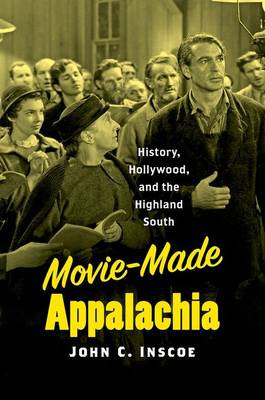
While Hollywood deserves its reputation for much-maligned portrayals of southern highlanders on screen, the film industry also deserves credit for a long-standing tradition of more serious and meaningful depictions of Appalachia's people. Surveying some two dozen films and the literary and historical sources from which they were adapted, John C. Inscoe argues that in the American imagination Appalachia has long represented far more than deprived and depraved hillbillies. Rather, the films he highlights serve as effective conduits into the region's past, some grounded firmly in documented realities and life stories, others only loosely so. In either case, they deserve more credit than they have received for creating sympathetic and often complex characters who interact within families, households, and communities amidst a wide array of historical contingencies. They provide credible and informative narratives that respect the specifics of the times and places in which they are set.
Having used many of these movies as teaching tools in college classrooms, Inscoe demonstrates the cumulative effect of analyzing them in terms of shared themes and topics to convey far more generous insights into Appalachia and its history than one would have expected to emerge from southern California's "dream factory."
Having used many of these movies as teaching tools in college classrooms, Inscoe demonstrates the cumulative effect of analyzing them in terms of shared themes and topics to convey far more generous insights into Appalachia and its history than one would have expected to emerge from southern California's "dream factory."
Specificaties
Betrokkenen
- Auteur(s):
- Uitgeverij:
Inhoud
- Aantal bladzijden:
- 248
- Taal:
- Engels
Eigenschappen
- Productcode (EAN):
- 9781469660141
- Verschijningsdatum:
- 4/01/2021
- Uitvoering:
- Paperback
- Formaat:
- Trade paperback (VS)
- Afmetingen:
- 156 mm x 234 mm
- Gewicht:
- 385 g


Alleen bij Standaard Boekhandel
+ 106 punten op je klantenkaart van Standaard Boekhandel
CADEAU

AANGERADEN


Beoordelingen
We publiceren alleen reviews die voldoen aan de voorwaarden voor reviews. Bekijk onze voorwaarden voor reviews.