


- Afhalen na 1 uur in een winkel met voorraad
- Gratis thuislevering in België vanaf € 30
- Ruim aanbod met 7 miljoen producten
- Afhalen na 1 uur in een winkel met voorraad
- Gratis thuislevering in België vanaf € 30
- Ruim aanbod met 7 miljoen producten




€ 49,45
+ 98 punten
Omschrijving
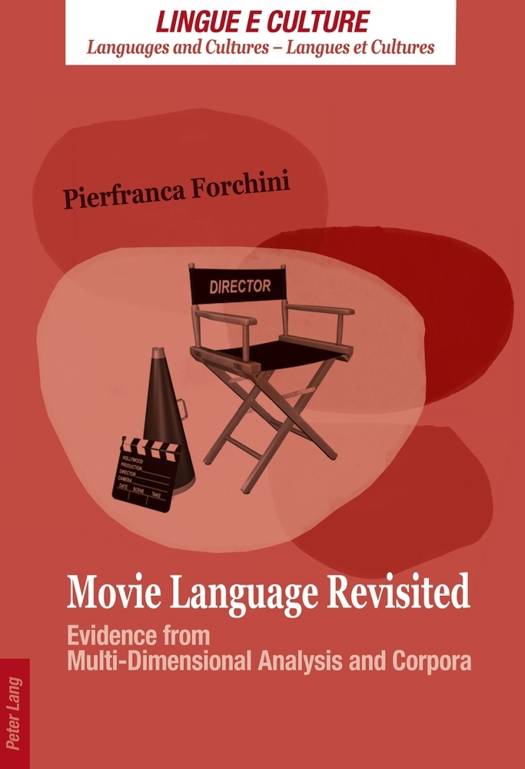
This book explores the linguistic nature of American movie conversation, pointing out its resemblances to face-to-face conversation. The reason for such an investigation lies in the fact that movie language is traditionally considered to be non-representative of spontaneous language. The book presents a corpus-driven study of the similarities between face-to-face and movie conversation, using detailed consideration of individual lexical phrases and linguistic features as well as Biber's Multi-Dimensional Analysis (1998). The data from an existing spoken American English corpus - the Longman Spoken American Corpus - is compared to the American Movie Corpus, a corpus of American movie conversation purposely built for the research. On the basis of evidence from these corpora, the book shows that contemporary movie conversation does not differ significantly from face-to-face conversation, and can therefore be legitimately used to study and teach natural spoken language.
Specificaties
Betrokkenen
- Auteur(s):
- Uitgeverij:
Inhoud
- Aantal bladzijden:
- 142
- Taal:
- Engels
- Reeks:
- Reeksnummer:
- nr. 1
Eigenschappen
- Productcode (EAN):
- 9783034310765
- Verschijningsdatum:
- 20/12/2011
- Uitvoering:
- Paperback
- Formaat:
- Trade paperback (VS)
- Afmetingen:
- 152 mm x 229 mm
- Gewicht:
- 199 g


Alleen bij Standaard Boekhandel
+ 98 punten op je klantenkaart van Standaard Boekhandel
AANGERADEN


Beoordelingen
We publiceren alleen reviews die voldoen aan de voorwaarden voor reviews. Bekijk onze voorwaarden voor reviews.