


- Afhalen na 1 uur in een winkel met voorraad
- Gratis thuislevering in België vanaf € 30
- Ruim aanbod met 7 miljoen producten
- Afhalen na 1 uur in een winkel met voorraad
- Gratis thuislevering in België vanaf € 30
- Ruim aanbod met 7 miljoen producten





€ 5,77
+ 5 punten
Omschrijving
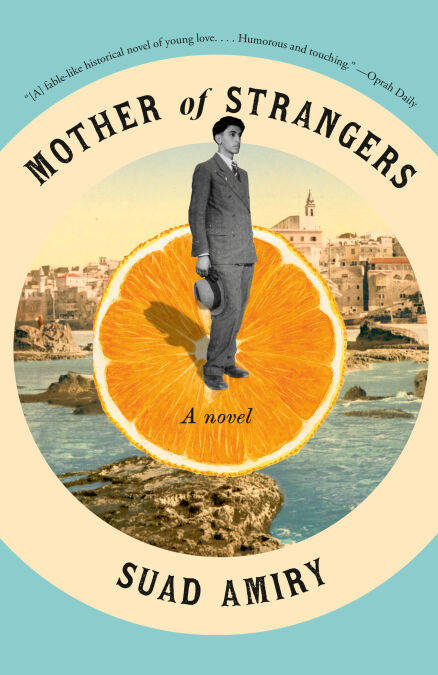
A BEST BOOK OF THE YEAR from NPR • Set in Jaffa in between 1947 and 1951, this “fable-like historical novel of young love ... darkly humorous and touching” (Oprah Daily) is based on a true story during the beginning of the destruction of Palestine and displacement of its people.
Based on the true story of two Jaffa teenagers, Mother of Strangers follows the daily lives of Subhi, a fifteen-year-old mechanic, and Shams, the thirteen-year-old student he hopes to marry one day. In this prosperous and cosmopolitan port city, with its bustling markets, cinemas, and cafés on the hills overlooking the Mediterranean Sea, we meet many other unforgettable characters as well, including Khawaja Michael, the elegant and successful owner of orange groves above the harbor; Mr. Hassan, the tailor who makes Subhi’s treasured English suit, which he hopes will change his life; and the very mischievous and outrageous Uncle Habeeb, who insists on introducing Subhi to the local bordello.
With a thriving orange export business, Jaffa had always been a city welcoming to outsiders—the “Mother of Strangers”—where Muslims, Jews, and Christians lived peacefully together. Once the bombardment of the city begins in April 1948, Suad Amiry gives us the grim but fascinating details of the shock, panic, and destruction that ensues. Jaffa becomes unrecognizable, with neighborhoods flattened, families removed from their homes and separated, and those who remain in constant danger of arrest and incarceration. Most of the population flees eastward to Jordan or by sea to Lebanon in the north or to Egypt and Gaza in the south. Subhi and Shams will never see each other again.
Suad Amiry has written a vivid and devastating account of a seminal moment in the history of the Middle East—the beginning of the end of Palestine and a portrait of a city irrevocably changed.
Based on the true story of two Jaffa teenagers, Mother of Strangers follows the daily lives of Subhi, a fifteen-year-old mechanic, and Shams, the thirteen-year-old student he hopes to marry one day. In this prosperous and cosmopolitan port city, with its bustling markets, cinemas, and cafés on the hills overlooking the Mediterranean Sea, we meet many other unforgettable characters as well, including Khawaja Michael, the elegant and successful owner of orange groves above the harbor; Mr. Hassan, the tailor who makes Subhi’s treasured English suit, which he hopes will change his life; and the very mischievous and outrageous Uncle Habeeb, who insists on introducing Subhi to the local bordello.
With a thriving orange export business, Jaffa had always been a city welcoming to outsiders—the “Mother of Strangers”—where Muslims, Jews, and Christians lived peacefully together. Once the bombardment of the city begins in April 1948, Suad Amiry gives us the grim but fascinating details of the shock, panic, and destruction that ensues. Jaffa becomes unrecognizable, with neighborhoods flattened, families removed from their homes and separated, and those who remain in constant danger of arrest and incarceration. Most of the population flees eastward to Jordan or by sea to Lebanon in the north or to Egypt and Gaza in the south. Subhi and Shams will never see each other again.
Suad Amiry has written a vivid and devastating account of a seminal moment in the history of the Middle East—the beginning of the end of Palestine and a portrait of a city irrevocably changed.
Specificaties
Betrokkenen
- Auteur(s):
- Uitgeverij:
Inhoud
- Aantal bladzijden:
- 304
- Taal:
- Engels
Eigenschappen
- Productcode (EAN):
- 9780593316566
- Verschijningsdatum:
- 1/08/2022
- Uitvoering:
- E-book
- Beveiligd met:
- Adobe DRM
- Formaat:
- ePub


Alleen bij Standaard Boekhandel
+ 5 punten op je klantenkaart van Standaard Boekhandel
Cadeau

AANGERADEN


Beoordelingen
We publiceren alleen reviews die voldoen aan de voorwaarden voor reviews. Bekijk onze voorwaarden voor reviews.