


- Afhalen na 1 uur in een winkel met voorraad
- Gratis thuislevering in België vanaf € 30
- Ruim aanbod met 7 miljoen producten
- Afhalen na 1 uur in een winkel met voorraad
- Gratis thuislevering in België vanaf € 30
- Ruim aanbod met 7 miljoen producten





€ 298,45
+ 596 punten
Omschrijving
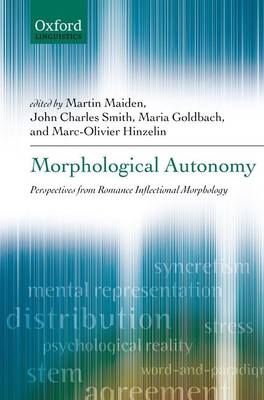
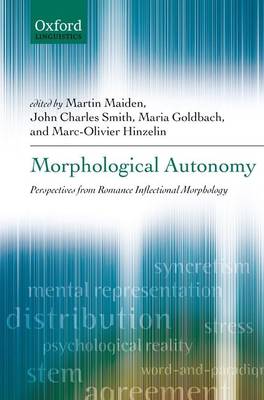
This book is about the nature of morphology and its place in the structure of grammar. Drawing on a wide range of aspects of Romance inflectional morphology, leading scholars present detailed arguments for the autonomy of morphology, ie morphology has phenomena and mechanisms of its own that are not reducible to syntax or phonology. But which principles and rules govern this independent component and which phenomena can be described or explicated by the mechanisms of the morphemic level? In shedding light on these questions, this volume constitutes a major contribution to Romance historical morphology in particular, and to our understanding of the nature and importance of morphomic structure in language change in general.
Specificaties
Betrokkenen
- Auteur(s):
- Uitgeverij:
Inhoud
- Aantal bladzijden:
- 502
- Taal:
- Engels
- Reeks:
Eigenschappen
- Productcode (EAN):
- 9780199589982
- Verschijningsdatum:
- 15/10/2011
- Uitvoering:
- Hardcover
- Formaat:
- Ongenaaid / garenloos gebonden
- Afmetingen:
- 160 mm x 236 mm
- Gewicht:
- 907 g


Alleen bij Standaard Boekhandel
+ 596 punten op je klantenkaart van Standaard Boekhandel
Cadeau

AANGERADEN


Beoordelingen
We publiceren alleen reviews die voldoen aan de voorwaarden voor reviews. Bekijk onze voorwaarden voor reviews.