


- Afhalen na 1 uur in een winkel met voorraad
- Gratis thuislevering in België vanaf € 30
- Ruim aanbod met 7 miljoen producten
- Afhalen na 1 uur in een winkel met voorraad
- Gratis thuislevering in België vanaf € 30
- Ruim aanbod met 7 miljoen producten





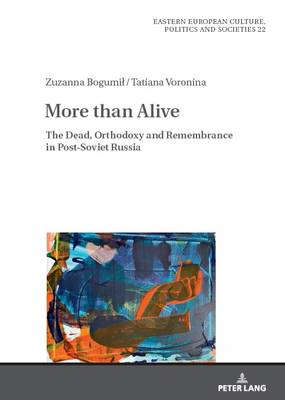
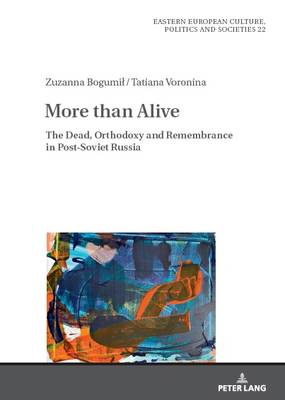
More than Alive
The Dead, Orthodoxy and Remembrance in Post-Soviet Russia
Zuzanna Bogumil, Tatiana Voronina
€ 63,95
+ 127 punten
Omschrijving
The process of the Orthodoxization of memory in Russia started long before the Russian Orthodox Church engaged in the memory politics. It was a grassrooted process initiated by both the living and the dead. By using religious symbols and rituals, various groups of living were restoring their relationship with the forgotten dead of Soviet repressions and war. When the Moscow Patriarchate has returned to active public life and started developing its religious memory infrastructure, the Orthodoxization process got a new up-down dimension. Finally, a turn of the Putin's regime towards religious commemorative practices caused the disappearance of the boundary between religious and political memory. The bricolage memory, consisting of elements of Orthodox tradition and Soviet memory culture, appeared.
Specificaties
Betrokkenen
- Auteur(s):
- Uitgeverij:
Inhoud
- Aantal bladzijden:
- 246
- Taal:
- Engels
- Reeks:
- Reeksnummer:
- nr. 22
Eigenschappen
- Productcode (EAN):
- 9783631873168
- Verschijningsdatum:
- 4/10/2023
- Uitvoering:
- Hardcover
- Formaat:
- Ongenaaid / garenloos gebonden
- Afmetingen:
- 148 mm x 210 mm
- Gewicht:
- 476 g


Alleen bij Standaard Boekhandel
+ 127 punten op je klantenkaart van Standaard Boekhandel
Cadeau

AANGERADEN


Beoordelingen
We publiceren alleen reviews die voldoen aan de voorwaarden voor reviews. Bekijk onze voorwaarden voor reviews.