


- Afhalen na 1 uur in een winkel met voorraad
- Gratis thuislevering in België vanaf € 30
- Ruim aanbod met 7 miljoen producten
- Afhalen na 1 uur in een winkel met voorraad
- Gratis thuislevering in België vanaf € 30
- Ruim aanbod met 7 miljoen producten





€ 0,99
Uitvoering
Eenvoudig bestellen
Veilig betalen


Onmiddellijk geleverd via e-mail
Omschrijving
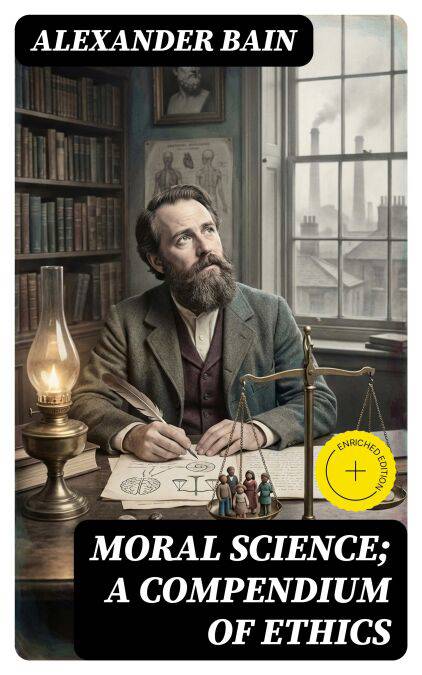
In "Moral Science; a Compendium of Ethics," Alexander Bain presents a comprehensive examination of ethical theories, interweaving empirical observation with philosophical inquiry. This seminal work employs a clear and accessible literary style, delineating key concepts such as moral responsibility, the nature of pleasure and pain, and the development of moral sentiment. Bain situates his analysis within the context of 19th-century utilitarianism, drawing upon the ideas of contemporaries while also forging his own path towards a more scientific approach to ethics, rooted in psychology and social observation. Alexander Bain (1818–1903) was a pivotal figure in the Scottish philosophical tradition, greatly influenced by the works of David Hume and John Stuart Mill. As a psychologist and philosopher, Bain placed significant emphasis on the empirical study of human behavior, which informed his ethical theories. His belief in the importance of social cohesion and moral education reflects the pressing societal questions of his time, particularly regarding individual moral agency in an increasingly industrialized world. This book is essential for anyone seeking a nuanced understanding of ethics at the intersection of psychology and philosophy. Bain's rigorous analysis is not only relevant for scholars but also provides a thoughtful framework for contemporary readers grappling with moral questions in today's complex society.
Specificaties
Betrokkenen
- Auteur(s):
- Uitgeverij:
Inhoud
- Aantal bladzijden:
- 365
- Taal:
- Engels
Eigenschappen
- Productcode (EAN):
- 8596547208761
- Verschijningsdatum:
- 3/09/2022
- Uitvoering:
- E-book
- Beveiligd met:
- Digital watermarking
- Formaat:
- ePub



Alleen bij Standaard Boekhandel
CADEAU

AANGERADEN


Beoordelingen
We publiceren alleen reviews die voldoen aan de voorwaarden voor reviews. Bekijk onze voorwaarden voor reviews.