


- Afhalen na 1 uur in een winkel met voorraad
- Gratis thuislevering in België vanaf € 30
- Ruim aanbod met 7 miljoen producten
- Afhalen na 1 uur in een winkel met voorraad
- Gratis thuislevering in België vanaf € 30
- Ruim aanbod met 7 miljoen producten





€ 296,95
+ 593 punten
Uitvoering
Omschrijving
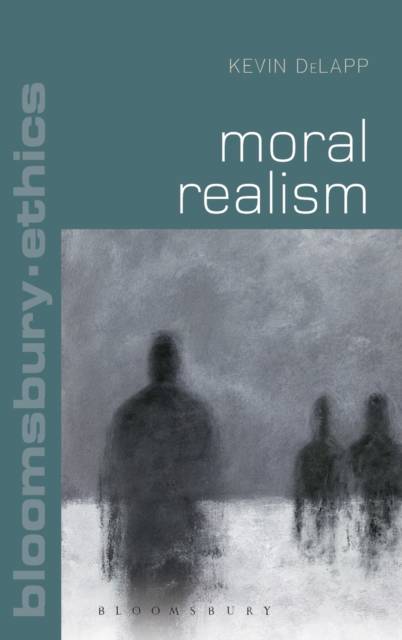
Are moral values objective or are they relative to different cultural contexts and traditions? Do values have any place in a 'disenchanted' scientific conception of the world and, if so, how do human beings relate to such values culturally, psychologically, and epistemologically? This book examines contemporary responses to these questions.
Moral Realism introduces students to contemporary debates concerning moral realism, including issues related to ethical naturalism, moral epistemology, moral motivation, cultural pluralism and moral disagreement. In the context of examining and connecting these different debates, the book presents its own unique form of moral realism according to which values may be belief-independent while also being characterized by an ontological pluralism that generates incommensurable moral disagreements and 'tragic' dilemmas. This idea serves as a guiding thread and also represents an attractive and neglected metaethical position in its own right. Specific attention is devoted to locating debates about moral realism in actual, embodied contexts, by looking to issues in experimental moral psychology, cross-cultiural anthropology and political science, permitting an accessible approach ideal for undergraduate students.Specificaties
Betrokkenen
- Auteur(s):
- Uitgeverij:
Inhoud
- Aantal bladzijden:
- 192
- Taal:
- Engels
- Reeks:
Eigenschappen
- Productcode (EAN):
- 9781441126917
- Verschijningsdatum:
- 11/04/2013
- Uitvoering:
- Hardcover
- Formaat:
- Genaaid
- Afmetingen:
- 146 mm x 222 mm
- Gewicht:
- 390 g


Alleen bij Standaard Boekhandel
+ 593 punten op je klantenkaart van Standaard Boekhandel
Cadeau

AANGERADEN


Beoordelingen
We publiceren alleen reviews die voldoen aan de voorwaarden voor reviews. Bekijk onze voorwaarden voor reviews.