


- Afhalen na 1 uur in een winkel met voorraad
- Gratis thuislevering in België vanaf € 30
- Ruim aanbod met 7 miljoen producten
- Afhalen na 1 uur in een winkel met voorraad
- Gratis thuislevering in België vanaf € 30
- Ruim aanbod met 7 miljoen producten





€ 115,45
+ 230 punten
Omschrijving
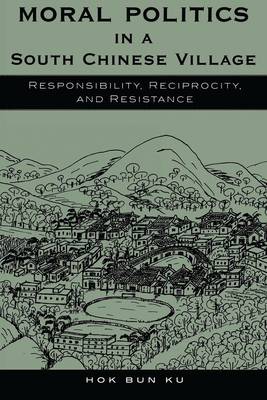
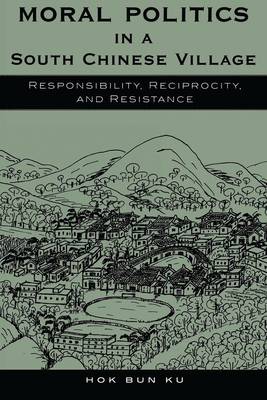
Exploring sensitive issues often hidden to outsiders, this engaging study traces the transformation and economic development of a south China village during the first tumultuous decade of reform. Drawing on a wealth of intimate detail, Ku explores the new sense of risk and mood of insecurity experienced in the post-reform era in Ku Village, a typical hamlet beyond the margins of richer suburban areas or fertile farmland. Villagers' dissatisfaction revolves around three key issues: the rising cost of living, mounting agricultural expenses, and the forcible implementation of birth-control quotas. Faced with these daunting problems, villagers have developed an array of strategies. Their weapons include resisting policies they consider unreasonable by disregarding fees, evading taxes, and ignoring strict family planning regulations; challenging the rationale of official policies and the legitimacy of the local government and its officials; and reestablishing clan associations to supercede local Party authority. Using lively everyday narratives and compelling personal stories, Ku argues that rural people are not in fact powerless and passive; instead they have their own moral system that informs their everyday family lives, work, and political activities. Their code embodies concepts of fairness and justice, a concrete definition of the relationship between the state and its citizens, an understanding of the boundaries and responsibilities of each party, and a clear notion of what constitutes good and bad government and officials. On the basis of these principles, they may challenge existing policies and deny the authority of officials and the government, thereby legitimizing their acts of self-defense. Through his richly realized ethnography, Ku shows the reader a world of memorable, fully realized individuals striving to control their fate in an often arbitrary world.
Specificaties
Betrokkenen
- Auteur(s):
- Uitgeverij:
Inhoud
- Aantal bladzijden:
- 312
- Taal:
- Engels
- Reeks:
Eigenschappen
- Productcode (EAN):
- 9780742509283
- Verschijningsdatum:
- 01/09/2003
- Uitvoering:
- Paperback
- Formaat:
- Trade paperback (VS)
- Afmetingen:
- 308 mm x 227 mm
- Gewicht:
- 403 g


Alleen bij Standaard Boekhandel
+ 230 punten op je klantenkaart van Standaard Boekhandel
Cadeau

AANGERADEN


Beoordelingen
We publiceren alleen reviews die voldoen aan de voorwaarden voor reviews. Bekijk onze voorwaarden voor reviews.