


- Afhalen na 1 uur in een winkel met voorraad
- Gratis thuislevering in België vanaf € 30
- Ruim aanbod met 7 miljoen producten
- Afhalen na 1 uur in een winkel met voorraad
- Gratis thuislevering in België vanaf € 30
- Ruim aanbod met 7 miljoen producten





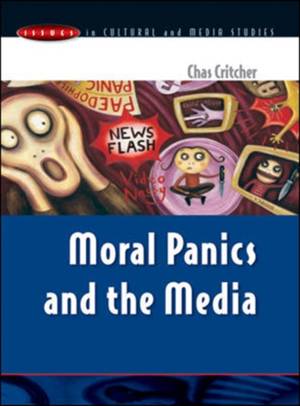
Moral Panics and the Media
Critcher
€ 53,45
+ 106 punten
Eenvoudig bestellen
Veilig betalen


Gratis thuislevering vanaf € 30 (via bpost)
Gratis levering in je Standaard Boekhandel
Omschrijving
The term moral panic is frequently applied to sudden eruptions of concern about social problems. This title critically evaluates the usefulness of moral panic models for understanding how politicians, the public and pressure groups come to recognize apparently new threats to the social order. The role of the media, especially the popular press, comes under scrutiny. Two models of moral panics are initially identified and explained, then applied to a range of case studies: AIDS, rave/ecstasy, video nasties, child abuse and paedophilia. Experience is compared across a range of countries, revealing many basic similarities but also significant variations between different national contexts. Common to all is an increasing focus on threats to children, evoking images of childhood innocence. The conclusion is that moral panic remains a useful tool for analysis but needs more systematic connection to wider theoretical concerns, especially those of the risk society and discourse analysis.
Specificaties
Betrokkenen
- Auteur(s):
- Uitgeverij:
Inhoud
- Aantal bladzijden:
- 244
- Taal:
- Engels
- Reeks:
Eigenschappen
- Productcode (EAN):
- 9780335209088
- Verschijningsdatum:
- 1/03/2003
- Uitvoering:
- Boek
- Formaat:
- Ongenaaid / garenloos gebonden
- Afmetingen:
- 170 mm x 244 mm
- Gewicht:
- 367 g


Alleen bij Standaard Boekhandel
+ 106 punten op je klantenkaart van Standaard Boekhandel
CADEAU

AANGERADEN


Beoordelingen
We publiceren alleen reviews die voldoen aan de voorwaarden voor reviews. Bekijk onze voorwaarden voor reviews.