


- Afhalen na 1 uur in een winkel met voorraad
- Gratis thuislevering in België vanaf € 30
- Ruim aanbod met 7 miljoen producten
- Afhalen na 1 uur in een winkel met voorraad
- Gratis thuislevering in België vanaf € 30
- Ruim aanbod met 7 miljoen producten





€ 141,45
+ 282 punten
Omschrijving
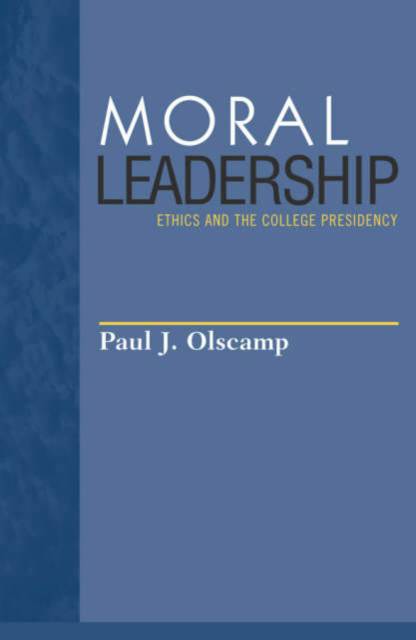
Should the president of a university with a medical school sit on the board of a tobacco company? Should a trustee be involved in the hiring or firing of her spouse? Should a president urge his university's foundation to sell stock in a company to make a political point? In Moral Leadership>, Paul J. Olscamp shows how college presidents and trustees can use basic ethical principles to help make moral decisions like these. Olscamp describes the nature of the college presidency and provides a summary view of western ethical theory, outlining a series of principles relating to morality and obligation. He also examines a series of issues of contemporary importance, including the way higher education sells itself to the public, and the way internal funding is allocated at public universities. Philosophers, administrators, and anyone with an interest in higher education issues will find this book valuable.
Specificaties
Betrokkenen
- Auteur(s):
- Uitgeverij:
Inhoud
- Aantal bladzijden:
- 184
- Taal:
- Engels
- Reeks:
Eigenschappen
- Productcode (EAN):
- 9780847689736
- Verschijningsdatum:
- 12/03/2003
- Uitvoering:
- Hardcover
- Formaat:
- Genaaid
- Afmetingen:
- 157 mm x 240 mm
- Gewicht:
- 367 g


Alleen bij Standaard Boekhandel
+ 282 punten op je klantenkaart van Standaard Boekhandel
CADEAU

AANGERADEN


Beoordelingen
We publiceren alleen reviews die voldoen aan de voorwaarden voor reviews. Bekijk onze voorwaarden voor reviews.