



Je cadeautjes zeker op tijd in huis hebben voor de feestdagen? Kom langs in onze winkels en vind het perfecte geschenk!
- Afhalen na 1 uur in een winkel met voorraad
- Gratis thuislevering in België vanaf € 30
- Ruim aanbod met 7 miljoen producten
Je cadeautjes zeker op tijd in huis hebben voor de feestdagen? Kom langs in onze winkels en vind het perfecte geschenk!
- Afhalen na 1 uur in een winkel met voorraad
- Gratis thuislevering in België vanaf € 30
- Ruim aanbod met 7 miljoen producten





Omschrijving
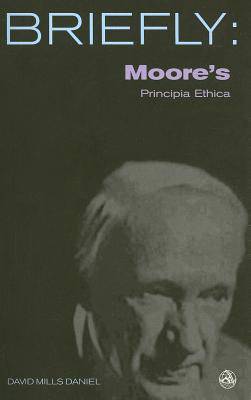
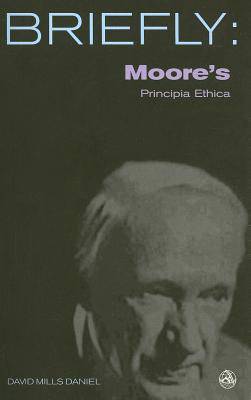
George Edward Moore's Principia Ethica was published by Cambridge University Press in 1903 and this was the birth of the science of ethics. So groundbreaking was this book at the time, that practically overnight, ethicists became meta-ethicists and the book ever since has been recognised as the definitive starting point for 20th century ethical theory. In it Moore is concerned with applying logic to ethics, and with demonstrating that logic can give ethics a better foundation. Moore defines ethics as an inquiry into what is good, including what is good in human conduct. Moore supposed that common sense beliefs about the world were correct as they were and shows how false premises about the way in which good is to be defined can lead to false conclusions about ethical conduct. Known to influence the thinking of Russell, Wittgenstein, Ryle and Keynes to mention but a few, understanding this key work in 20th C ethics is essential, and made achievable in this Briefly guide.
Specificaties
Betrokkenen
- Auteur(s):
- Uitgeverij:
Inhoud
- Aantal bladzijden:
- 96
- Taal:
- Engels
- Reeks:
Eigenschappen
- Productcode (EAN):
- 9780334040408
- Verschijningsdatum:
- 8/05/2007
- Uitvoering:
- Paperback
- Formaat:
- Trade paperback (VS)
- Afmetingen:
- 162 mm x 199 mm
- Gewicht:
- 108 g


Alleen bij Standaard Boekhandel
+ 41 punten op je klantenkaart van Standaard Boekhandel
CADEAU


Beoordelingen
We publiceren alleen reviews die voldoen aan de voorwaarden voor reviews. Bekijk onze voorwaarden voor reviews.