


- Afhalen na 1 uur in een winkel met voorraad
- Gratis thuislevering in België vanaf € 30
- Ruim aanbod met 7 miljoen producten
- Afhalen na 1 uur in een winkel met voorraad
- Gratis thuislevering in België vanaf € 30
- Ruim aanbod met 7 miljoen producten





€ 373,45
+ 746 punten
Omschrijving
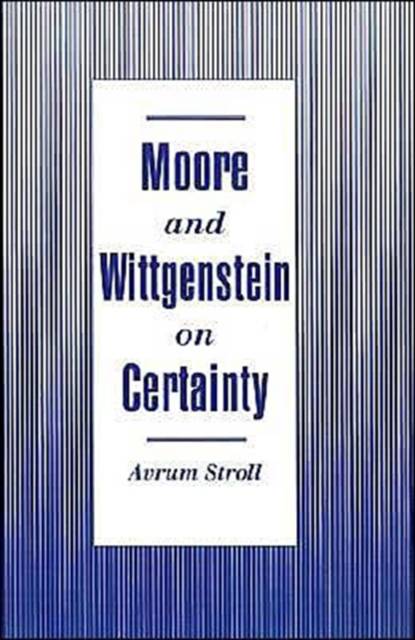
Ludwig Wittgenstein's On Certainty was finished just before his death in 1951 and is a running commentary on three of G.E. Moore's greatest epistemological papers. In the early 1930s, Moore had written a lengthy commentary on Wittgenstein, anticipating some of the issues Wittgenstein would discuss in On Certainty. The philosophical relationship between these two great philosophers and their overlapping, but nevertheless differing, views is the subject of this book. Both defended the existence of certainty and thus opposed any form of skepticism. However, their defenses and conceptions of certainty differed widely, as did their understanding of the nature of skepticism and how best to combat it. Stroll's book contains a careful and critical analysis of their differing approaches to a set of fundamental epistemological problems.
Specificaties
Betrokkenen
- Auteur(s):
- Uitgeverij:
Inhoud
- Aantal bladzijden:
- 208
- Taal:
- Engels
Eigenschappen
- Productcode (EAN):
- 9780195084887
- Verschijningsdatum:
- 3/02/1994
- Uitvoering:
- Hardcover
- Formaat:
- Genaaid
- Afmetingen:
- 162 mm x 243 mm
- Gewicht:
- 526 g


Alleen bij Standaard Boekhandel
+ 746 punten op je klantenkaart van Standaard Boekhandel
CADEAU

AANGERADEN


Beoordelingen
We publiceren alleen reviews die voldoen aan de voorwaarden voor reviews. Bekijk onze voorwaarden voor reviews.