


- Afhalen na 1 uur in een winkel met voorraad
- Gratis thuislevering in België vanaf € 30
- Ruim aanbod met 7 miljoen producten
- Afhalen na 1 uur in een winkel met voorraad
- Gratis thuislevering in België vanaf € 30
- Ruim aanbod met 7 miljoen producten





€ 153,70
+ 307 punten
Omschrijving
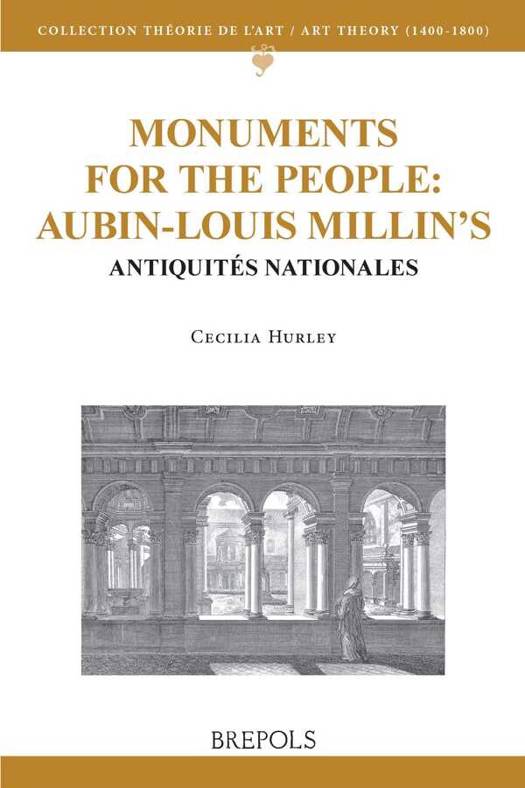
This is the story of a book, a book about a book. The Antiquites nationales constitute, to say the least, an enigmatic publication. Written at the time of the French Revolution, by an author who had until then been known principally for his works on natural history, it is a book about which very little is known. A series of sixty-one dissertations of varying lengths, gathered into five volumes, describes and relates the history of individual buildings or monuments which were, according to the author, threatened by the waves of vandalism occurring in France during the early years of the French Revolution. Neither the circumstances of the book's writing nor of its printing and marketing are easily elucidated, and the very form in which it was issued is one that requires careful investigation by a bibliographer. A careful collation of the Antiquites reveals that the traditional book form was subtly modified in an attempt to allow readers better to appropriate it for themselves. Amongst the more intriguing aspects of this book is the story of its reception. Hailed at the time of its publication as being a work of the greatest importance which should find a place in every library, the Antiquites very quickly fell from public favour. By now, it is generally familiar only to those engaged in research on the history of French architectural heritage or who are trying to find engravings illustrating a building at the time of the Revolution or before.
Specificaties
Betrokkenen
- Auteur(s):
- Uitgeverij:
Inhoud
- Aantal bladzijden:
- 720
- Taal:
- Engels
- Reeks:
- Reeksnummer:
- nr. 3
Eigenschappen
- Productcode (EAN):
- 9782503536828
- Verschijningsdatum:
- 1/10/2013
- Uitvoering:
- Paperback
- Formaat:
- Trade paperback (VS)
- Afmetingen:
- 155 mm x 231 mm
- Gewicht:
- 1297 g


Alleen bij Standaard Boekhandel
+ 307 punten op je klantenkaart van Standaard Boekhandel
CADEAU

AANGERADEN


Beoordelingen
We publiceren alleen reviews die voldoen aan de voorwaarden voor reviews. Bekijk onze voorwaarden voor reviews.